Top Benefits of Choosing the Right Wire Harness and Cable Assembly?
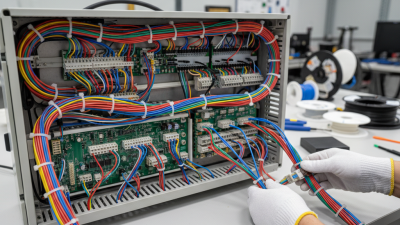
Choosing the right wire harness and cable assembly is crucial in today's technology-driven world. These components play a vital role in nearly every electronic device. From automotive systems to consumer electronics, their quality can significantly impact performance and reliability.
The wire harness and cable assembly ensure efficient power distribution and signal transmission. Poorly designed assemblies can lead to failure. This failure often results in costly repairs and project delays. Therefore, selecting a high-quality assembly can save time and resources. It also enhances the overall lifespan of a product.
Additionally, understanding the specific requirements of your application is essential. Factors like environmental conditions and electrical load must be considered. A tailored solution can lead to improved functionality. It becomes clear that investing in the right wire harness and cable assembly is not just a choice; it’s a necessity for success.
Understanding Wire Harness and Cable Assembly Basics
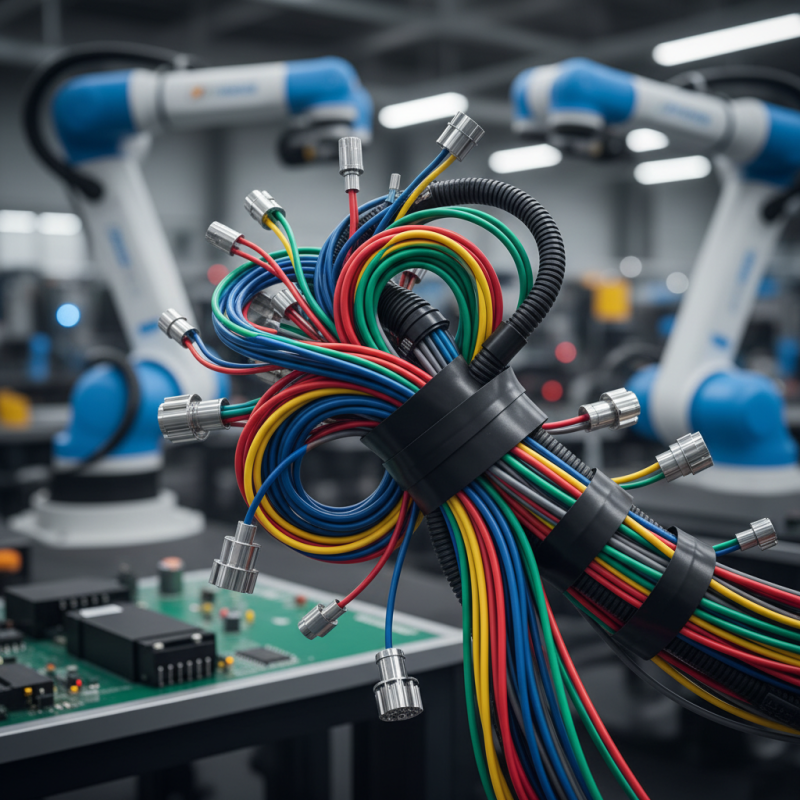
When choosing a wire harness and cable assembly, understanding the basic components is crucial. A wire harness typically consists of multiple wires grouped together to transmit electrical power and signals. Cable assemblies enhance this function by including connectors that allow for easy connectivity. These components must be reliable and durable to withstand various environmental factors.
Tips: Consider the material used in wire insulation. It affects both flexibility and heat resistance. Proper insulation prevents short circuits and ensures safety.
Another key aspect is the design of the harness. An effective layout minimizes space while maximizing efficiency. Poorly designed harnesses can lead to complications during installation. They may not fit the intended application well, leading to performance issues.
Tips: Always verify compatibility with existing equipment. A mismatch can cause malfunctions and costly repairs. Take time to review technical specifications.
In summary, focusing on the basics of wire harnesses and cable assemblies is essential for making informed choices. Always prioritize quality and performance to avoid long-term problems in your projects.
Importance of Selecting the Right Materials for Wire Harnesses
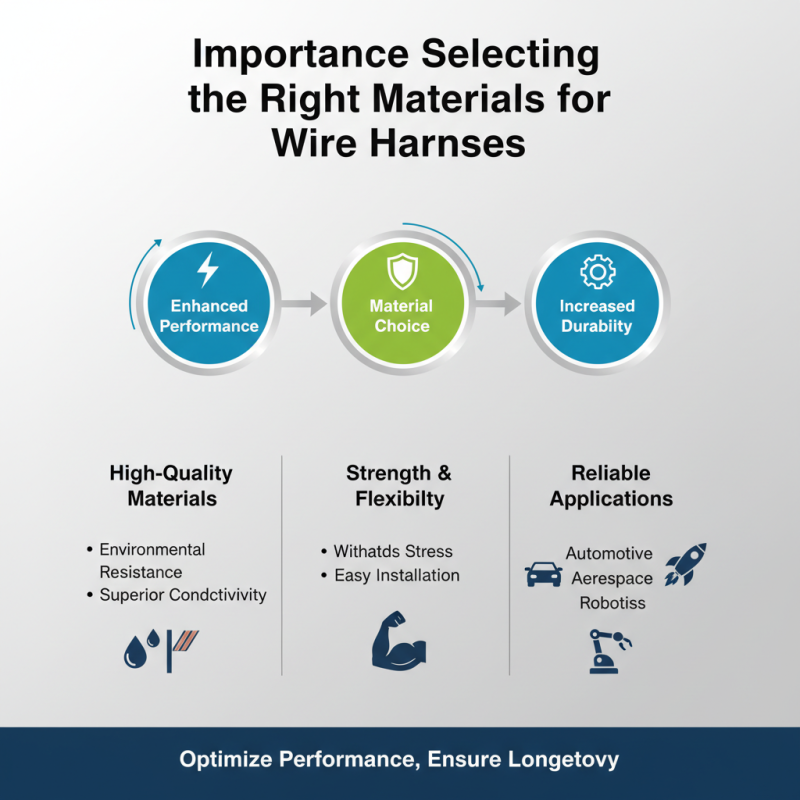
When it comes to wire harnesses, material choice is crucial. The right materials can significantly enhance performance and durability. High-quality materials resist environmental factors and ensure better electrical conductivity. The strength and flexibility of materials also play a vital role. These aspects affect how well a wire harness performs in various applications.
Tips for selecting materials include analyzing the project's unique requirements. Consider factors like temperature, moisture, and mechanical stress. Choose materials that can withstand these conditions. Always look for insulation types that match your application needs. For instance, silicone rubber provides excellent flexibility in extreme temperatures.
It's essential to assess the long-term performance of materials. Not all materials age gracefully. Some may become brittle over time, leading to failures. Conducting thorough testing prior to finalizing materials can save significant headaches later on. Balancing cost with quality is often a challenge. Cheaper options may cost more in the long run due to increased maintenance needs.
Key Factors in Designing Efficient Cable Assemblies
When designing cable assemblies, several key factors come into play. One important aspect is the choice of materials. Selecting high-quality conductors, insulation, and connectors ensures durability and performance. Copper and aluminum are common choices for conductors due to their excellent conductivity. However, understanding the trade-offs of material costs versus long-term reliability is critical.
Another significant factor is the layout and organization of the wires. Effective cable management minimizes interference and enhances signal integrity. Properly securing wires can prevent wear and tear over time. Mistakes in design, like ignoring bend radius or twisting wires, can lead to failures. Designers must actively seek feedback from engineers to identify potential issues early.
Lastly, prototyping is essential. Assembling a prototype allows for real-world testing. This step often uncovers flaws in the initial design. However, not all prototypes succeed on the first attempt. Reflection on these iterations leads to improvements in future designs. Continuous learning during the process ensures that the final assembly meets all technical requirements and industry standards.
Long-term Cost Savings from Quality Wire Harnesses
Selecting the right wire harness and cable assembly is crucial for long-term financial success. Quality wire harnesses reduce maintenance and replacement costs. They can minimize the risks of malfunction, leading to fewer operational delays and repairs. This investment pays off over time, sparing businesses from unexpected expenses.
One effective tip involves evaluating the materials used in the wire harness. For instance, high-quality insulation can resist environmental factors better. Choosing durable components may increase upfront costs, but offers greater longevity. Each dollar spent on quality is a dollar saved in the long run.
Also, consider the complexity of your project. A well-designed wire harness can simplify installations. Fewer connectors and simplified layouts can reduce the chances of installation errors. Reflect on your specific needs and select a design that balances functionality and efficiency. This can lead to significant cost savings.
Impact of Wire Harness Optimization on Overall System Performance
Wire harness optimization plays a crucial role in enhancing overall system performance. A well-designed wire harness reduces weight, increases reliability, and improves the efficiency of electrical systems. According to a recent industry report, optimized wire harness designs can lead to a reduction in overall assembly time by up to 30%. This improvement directly contributes to faster production cycles and reduced costs.
Moreover, the impact of cable quality in these assemblies cannot be overstated. Inadequate cable specifications can lead to signal loss and increased electromagnetic interference (EMI). In a study, 40% of manufacturers reported issues with system reliability due to poor cable selections. Addressing these design flaws early on can save significant troubleshooting resources later.
Consider environmental factors as well. Wire harnesses exposed to extreme conditions require specialized materials. Investing in the right materials can enhance durability and extend the lifespan of the system. Interestingly, around 25% of wire harness failures are linked to issues with material selection. Balancing these factors is essential for achieving optimal performance and reliability in any electrical system.