Best Pressure Reducing Regulators for Optimal Performance?
When it comes to ensuring optimal performance in various systems, Pressure Reducing Regulators are essential components. These devices help maintain consistent pressure, protecting equipment from damage. Accurate pressure control is vital for efficiency. Pressure reducing regulators can significantly affect performance, yet not all regulators perform equally well.
Selecting the right pressure reducing regulators requires understanding their functions and specifications. High-quality regulators often come with features such as adjustable pressure settings and emergency shut-off mechanisms. Some models are more reliable than others, and users must research and compare options carefully. Every decision made here impacts safety and effectiveness.
However, it’s crucial to recognize that choosing a regulator is not always straightforward. With numerous brands and models available, one may feel overwhelmed. Some regulators promise high performance but might fall short in real-life applications. Reflecting on personal experiences and seeking expert reviews could lead to better choices. Emphasizing quality and performance can prevent costly mistakes in the long run.
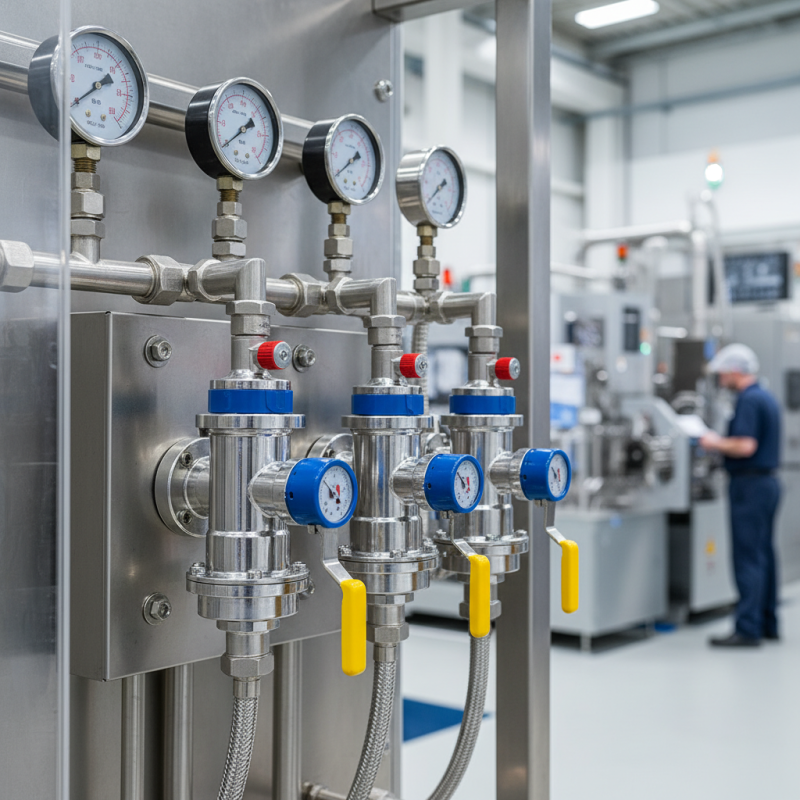
Overview of Pressure Reducing Regulators and Their Functions
Pressure reducing regulators play a crucial role in various applications, including home heating and industrial processes. They regulate pressure, ensuring consistent performance in systems that require specific pressure levels. This enhances safety and improves efficiency in gas and liquid systems.
These devices work by automatically adjusting the pressure of incoming fluids. When the incoming pressure is too high, the regulator decreases it to a workable level. Users often overlook the importance of selecting the right regulator. An incorrect choice can lead to fluctuations in pressure, potentially causing damage or inefficiencies.
Proper maintenance is essential for optimal performance. Regular checks can prevent leaks and ensure accurate readings. Users might forget to inspect these devices frequently, which can lead to larger issues over time. In the end, understanding the functions and importance of pressure reducing regulators can significantly influence system reliability and effectiveness.
Criteria for Selecting Optimal Pressure Reducing Regulators
When selecting a pressure reducing regulator, focus on several key criteria. The material is crucial as it affects durability and compatibility. Regulators made of brass or stainless steel often resist corrosion better. Evaluate the pressure range required for your application. Too high or too low can lead to inefficiency.
Next, consider the flow capacity. A regulator needs to handle your maximum flow requirements without issues. Look for models with adjustable settings. This feature allows fine-tuning as system needs change over time. Ease of installation is another factor. Complicated setups can lead to mistakes. A straightforward design helps ensure proper function.
Don't overlook maintenance requirements. Some regulators require more frequent checks than others. An easy-to-maintain model can save time and money. Review customer feedback before making a choice. Real-world experiences often highlight flaws not seen in product descriptions. Be aware that finding the perfect regulator may take trial and error. Reflect on what the best fit is for your specific needs.
Best Pressure Reducing Regulators for Optimal Performance
| Model | Inlet Pressure (psi) | Outlet Pressure Range (psi) | Max Flow Rate (SCFM) | Material | Weight (lbs) |
| Model A | 300 | 0-60 | 25 | Brass | 2.5 |
| Model B | 200 | 0-100 | 35 | Aluminum | 2.0 |
| Model C | 250 | 10-50 | 30 | Stainless Steel | 3.0 |
| Model D | 150 | 0-30 | 20 | Polymer | 1.5 |
| Model E | 300 | 0-80 | 50 | Brass | 4.0 |
Top Brands and Models of Pressure Reducing Regulators Reviewed
When selecting pressure reducing regulators, performance is key. These devices control gas or liquid pressure. They ensure systems run efficiently. In various applications, their importance cannot be overstated. Different models vary in price and features. Identifying the right fit for your needs is often challenging.
Several top models exhibit excellent reliability. Features to consider include precision, response time, and temperature range. Some regulators function well in high-pressure situations. Others excel in low-flow applications. Reviews highlight both strengths and weaknesses in these models. Many users appreciate ease of installation. Yet, some have faced calibration issues.
It's crucial to assess user experiences. Feedback often reveals performance quirks. For example, certain models may not handle fluctuating input pressure effectively. Observing these nuances can aid in making a better choice. Regrettably, some users overlook maintenance needs. Regular checks can prevent costly failures.
Best Pressure Reducing Regulators Performance Comparison
Installation and Maintenance Best Practices for Regulators
Proper installation and maintenance of pressure reducing regulators is crucial for optimal performance. According to the American Society of Mechanical Engineers (ASME), a misinstalled regulator can cause pressure fluctuations. These fluctuations may lead to equipment damage and inefficient system operation. Following manufacturer guidelines can minimize risks. Regular inspections help identify wear and tear that can compromise safety.
Maintenance practices play a vital role in the longevity of regulators. Studies show that 30% of regulator failures result from lack of maintenance. Routine checks should include visual inspections for leaks and corrosion. Cleaning filter elements is essential. Neglecting these tasks can lead to a buildup of contaminants. This can hinder efficiency and increase operational costs.
Awareness of the system's pressure requirements is also important. Some facilities may overestimate their needs, leading to unnecessary regulator wear. Using data from industry reports, over 50% of regulators operate outside their optimal range. If these trends continue, the lifespan of regulators will be significantly reduced. Ultimately, a proactive maintenance strategy is necessary for ensuring consistent performance. Regular training for staff can foster a culture of safety and diligence.
Common Issues and Troubleshooting Tips for Pressure Regulators
Pressure regulators are vital for maintaining system efficiency. However, they can encounter several common issues. A recent industry report indicates that nearly 30% of pressure regulator failures stem from improper installation. Misalignment or loose fittings can lead to leaks, affecting performance and safety. Regular inspection of fittings and connections can prevent these issues.
Another common problem is fluctuating pressure. This often occurs due to debris accumulation in the regulator. A study shows that about 20% of regulators experience inconsistent output pressure. Regular maintenance, including cleaning and replacing filters, can help mitigate this issue. Operators might overlook this, but it’s essential for optimal performance.
Additionally, environmental factors play a significant role. Extreme temperatures can impact regulator efficiency. Not recognizing the operating environment can result in failures. Regular performance assessments, along with monitoring environmental conditions, are crucial. Ignoring these factors can lead to unexpected downtimes and increased costs. It’s critical to stay vigilant and address these issues to ensure smooth operations.