How to Choose Aerogel Insulation for Maximum R Value?
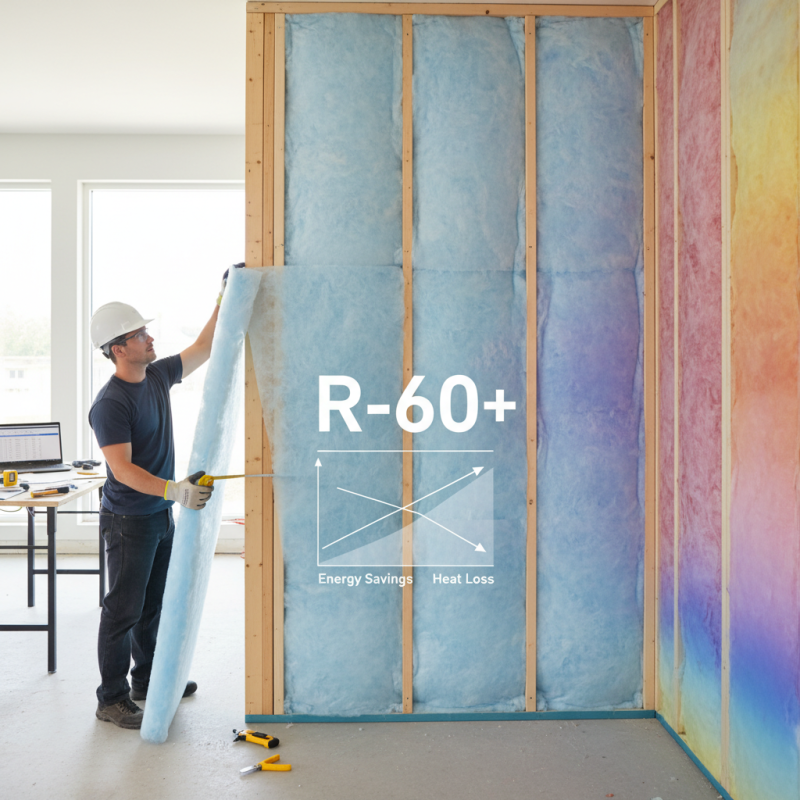
Selecting the right aerogel insulation can profoundly impact your home's energy efficiency. Aerogel Insulation R Value plays a critical role in this process. It measures how well the insulation resists heat flow. Higher R values mean better thermal performance.
Choosing aerogel means balancing effectiveness and cost. While aerogel offers superior insulation properties, it can be pricey. You must consider your budget and long-term energy savings. Look for trusted brands and seek expert opinions. Real-world performance varies. Not all aerogel products deliver the same results.
Many homeowners overlook the installation process. Poor installation can diminish R value, negating all benefits. Invest time in finding qualified professionals. Research their experience with aerogel insulation. Ultimately, choosing the right aerogel can lead to lasting comfort and savings. Yet, it requires careful thought and informed decisions.
Understanding R Value and Its Importance in Insulation
Understanding R value is essential when selecting insulation materials like aerogel. R value measures thermal resistance. A higher R value indicates better insulation performance. This is crucial for energy efficiency in buildings. For example, aerogel can provide an impressive R value due to its unique structure and low density. It's crucial to understand how R value impacts overall energy consumption.
Choosing the right insulation involves considering R value alongside your specific needs. Not all spaces require the same thermal resistance. Factors such as climate, building type, and energy costs should inform your choice. While high R values are important, they shouldn’t be the only criteria. Evaluating installation complexity and long-term benefits matters too.
Aerogel insulation can be an excellent choice, but it’s not without challenges. Its higher cost may deter some buyers. Installation requires careful handling because it can be fragile. Always weigh the benefits against potential drawbacks. Researching different materials deepens your understanding and helps in making informed decisions.
How to Choose Aerogel Insulation for Maximum R Value?
| Insulation Type | R Value (per inch) | Thermal Conductivity (W/m·K) | Applications |
| Aerogel | 10+ | 0.013 | Building envelope, HVAC systems |
| Fiberglass | 2.9 - 4.3 | 0.037 | Walls, attics, floors |
| Foam Board | 3.8 - 6.5 | 0.025 | Foundations, wall insulation |
| Cellulose | 3.1 - 3.7 | 0.038 | Attics, walls |
| Mineral Wool | 3.1 - 4.0 | 0.035 | Walls, attics, soundproofing |
Types of Aerogel Insulation Materials Available
Aerogel insulation is a cutting-edge material known for its high R-value, making it an excellent choice for energy efficiency. There are various types of aerogel insulation materials available, each offering unique benefits. The most common types include silica aerogel, polymer aerogel, and carbon aerogel. Silica aerogel is renowned for its low thermal conductivity, often rated around 0.013 W/m·K. This property makes it suitable for applications in extreme environments, but it's essential to consider its cost and fragility.
Polymer aerogels, on the other hand, are more flexible and resistant to moisture. They may have a slightly higher thermal conductivity, typically around 0.020 W/m·K. However, their versatility makes them ideal for construction, especially in areas prone to damp conditions. Carbon aerogels excel in thermal insulation and electrical conductivity, but they are less commonly used in buildings. Understanding the specific needs of your project is crucial. The construction industry has seen an increasing demand for aerogel insulation due to its effectiveness.
While aerogel provides significant thermal benefits, it’s not without challenges. The manufacturing process can be energy-intensive, impacting its carbon footprint. Furthermore, the initial investment can be steep, which may deter some builders. Therefore, weighing long-term savings against initial costs is important. Overall, selecting the right aerogel type depends on the project's specific requirements and environmental considerations.
Comparative Analysis of Aerogel Insulation Types R-Value
Key Factors to Consider When Choosing Aerogel Insulation
When choosing aerogel insulation, several key factors come into play. The R-value is paramount. This metric measures thermal resistance. Aerogel typically boasts an R-value between 10 and 30 per inch, significantly outperforming traditional insulations. This high R-value is crucial for energy efficiency, especially in residential and commercial buildings.
Consider the thickness of the aerogel. Thicker layers usually offer better insulation. However, this must align with your space constraints. Space can be limited in retrofitting projects. Therefore, balancing thickness and R-value is essential. Reports from the U.S. Department of Energy highlight that better insulation can save up to 20% on heating and cooling costs.
Another factor to evaluate is moisture resistance. Many aerogel products resist moisture well, which can prevent mold growth. Yet, not all aerogels perform equally against moisture. Higher-priced options may include special treatments. While cost is a consideration, investing in quality can yield long-term benefits.
Lastly, installation methods vary. Some products come as flexible blankets, while others are rigid panels. Proper installation is crucial for maximizing performance. Inadequate installation can lead to air gaps, decreasing R-value. Research suggests that up to 30% of insulation benefits are lost due to poor installation practices.
Comparing Aerogel Insulation with Other Materials
When comparing aerogel insulation with other materials, it's essential to consider various factors. Aerogel boasts an incredibly high R-value, often exceeding 10 per inch. This efficiency stems from its unique structure, which consists of 99.8% air. In contrast, traditional fiberglass insulation usually offers an R-value around 2.9 to 4.3 per inch. The difference in thermal resistance can make aerogel a superior choice for energy efficiency.
On the other hand, aerogel can be more challenging to install. Its handling requires care; improper installation can lead to reduced performance. Additionally, other materials, like cellulose and spray foam, can be more user-friendly. They require less precision during application. This aspect makes them appealing for DIY projects. While aerogel is lightweight and takes up less space, the technique and skill required for installation may deter some users.
Cost is another crucial factor. Aerogel insulation often comes with a higher price tag compared to traditional options. This can influence decision-making, especially for budget-conscious homeowners. However, one must reflect on the long-term savings that higher R-values may provide. Balancing initial investment with future energy efficiency is vital in choosing the right insulation.
Installation Tips for Optimal Aerogel Insulation Performance
When installing aerogel insulation, achieving optimal performance requires careful attention to detail. Begin by ensuring proper surface preparation. Clean surfaces free of dust and debris, as contaminants can affect adhesion. According to a study by the U.S. Department of Energy, achieving a clean substrate can improve thermal performance by up to 15%. Consider the thickness of the aerogel. Thicker layers provide higher R-values, with a minimally required thickness of 1 inch for effective insulation.
Proper application techniques are equally crucial. Aerogel insulation should be installed tightly against walls and ceilings. Gaps can lead to thermal bridges, negating the material’s benefits. The National Renewable Energy Laboratory stresses the importance of tight seams in maintaining efficiency. Use appropriate fastening methods to secure the aerogel in place. Misalignment or poor attachment can diminish insulation effectiveness significantly. It is also important to monitor environmental conditions during installation. High humidity can compromise the material’s integrity, so working in dry conditions is ideal.
Remember to evaluate installation after completion. Visibly inspect for gaps or indentations. The National Institute of Standards and Technology recommends a post-installation energy audit to assess effectiveness. This can unveil hidden issues that may need addressing. Understanding these details ensures that aerogel insulation performs at its best, maximizing its thermal resistance potential.