How to Create a High Quality Wire Harness Assembly for Your Projects?
Creating a high-quality wire harness assembly is essential for any project involving electrical connections. A well-designed wire harness ensures reliable performance and minimizes potential issues. Poorly constructed assemblies can lead to failures, affecting the entire system's functionality.
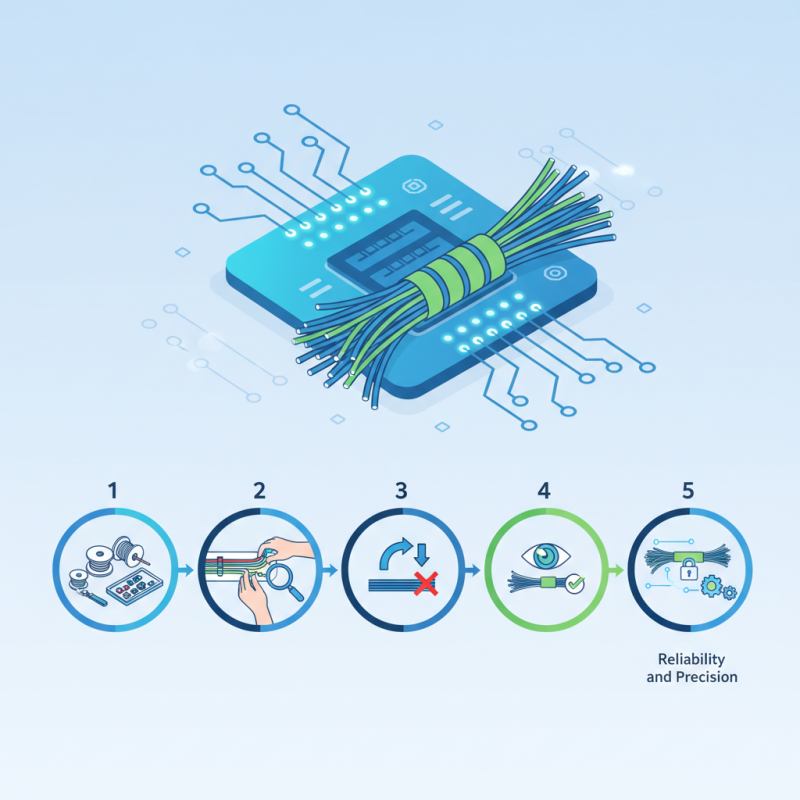
To achieve a superior wire harness assembly, attention to detail is crucial. First, gather all necessary components and tools. This preparation step helps streamline the assembly process. Choose wires that are appropriate for your project's electrical load. Use connectors that match the specifications of your devices.
During assembly, take care to organize and route wires neatly. Avoid over-bending or pinching wires, as this can cause damage. Regularly inspect your work for any flaws. Remember, even small mistakes can lead to significant failures later on. Emphasizing precision and reliability will lead to a successful wire harness assembly for your projects.
Understanding Wire Harness Assembly: Definition and Importance
Wire harness assembly is crucial in various industries, including automotive and aerospace. It connects multiple electrical components, ensuring efficient power transmission and signal integrity. According to a report by Research and Markets, the global wire harness market is projected to reach $80 billion by 2027, highlighting its importance in modern technology.
Creating a high-quality wire harness requires precision and expertise. A well-designed harness minimizes the risk of electrical failures, which can lead to costly downtime. Data from Market Research Future indicates that improper wire harness assemblies can increase maintenance costs by up to 25%. This emphasizes the need for careful planning and execution.
Tips: Always use the right gauge of wire for your application. This prevents overheating and ensures optimal performance. Moreover, keep your work area organized. A cluttered space can lead to errors in assembly. Lastly, regular testing of completed harnesses can catch issues early, saving time and resources later. Aim for continuous improvement, as every assembly offers lessons for future projects.
How to Create a High Quality Wire Harness Assembly for Your Projects? - Understanding Wire Harness Assembly: Definition and Importance
| Dimension |
Description |
Importance |
| Wire Selection |
Choosing the right wire gauge and type based on the application requirements. |
Ensures proper current handling and signal integrity. |
| Connector Types |
Selection of appropriate connectors (like Molex, JST) based on usage environment. |
Enhances reliability and ease of maintenance. |
| Assembly Techniques |
Methods such as soldering, crimping, or using IDC connectors. |
Affects the strength and reliability of connections. |
| Insulation & Protection |
Use of heat shrink tubing or other protective coverings. |
Prevents short circuits and mechanical damage. |
| Testing Procedures |
Performing voltage tests, continuity checks, and load tests. |
Ensures functionality and safety before deployment. |
Key Components of a High Quality Wire Harness: Materials and Tools
When creating a high-quality wire harness assembly, choosing the right materials and tools is essential. Begin with wires that can withstand the specific conditions of your project. Consider factors such as temperature, flexibility, and resistance to chemicals. Copper remains popular for its conductivity. However, alternative materials like aluminum can be lighter and more cost-effective.
Next, select the appropriate insulation. Options include PVC, PTFE, and nylon, each with unique properties suited for different environments. The choice of connectors and terminals also plays a critical role. Ensure they match the wire gauge and are capable of handling the electrical load. The reliability of a wire harness can often hinge on these small selections, which can be easily overlooked.
Tools are just as important as the components. Quality crimping tools and wire strippers are vital for creating secure connections. However, using the wrong tool can lead to poorly assembled harnesses. Balancing quality and cost in tools is crucial. While it may be tempting to save money, opting for the cheapest tools can lead to future complications. Therefore, invest wisely and always test your assemblies for functionality before deploying them in projects.
Step-by-Step Process: Designing Your Wire Harness Assembly
Designing a high-quality wire harness assembly starts with understanding your project requirements. Establish the specifications early. What are the materials? What environments will the harness face? Knowing these details is crucial for durability and function. Take time to sketch a layout. A clear diagram helps visualize connections and component placements.
Choosing the right wire is essential. Consider factors like gauge and insulation type. Each project has unique needs, depending on currents and environmental conditions. Always leave room for changes. Sometimes, the chosen wire might not fit perfectly during assembly. Reflect on past experiences. Did you encounter issues with wire length or connector compatibility? Keeping notes can guide future projects, making them smoother.
Connector selection can be tricky. Options can be overwhelming. Pay attention to the locking mechanism. A secure fit prevents premature wear. It’s also important to practice wire stripping. Uneven cuts can lead to short circuits. Test your assembly before finalizing it. Small mistakes can lead to significant issues later. Prioritize quality at every step.
Wire Harness Assembly Quality Comparison
Industry Standards and Quality Control Measures in Wire Harness Production
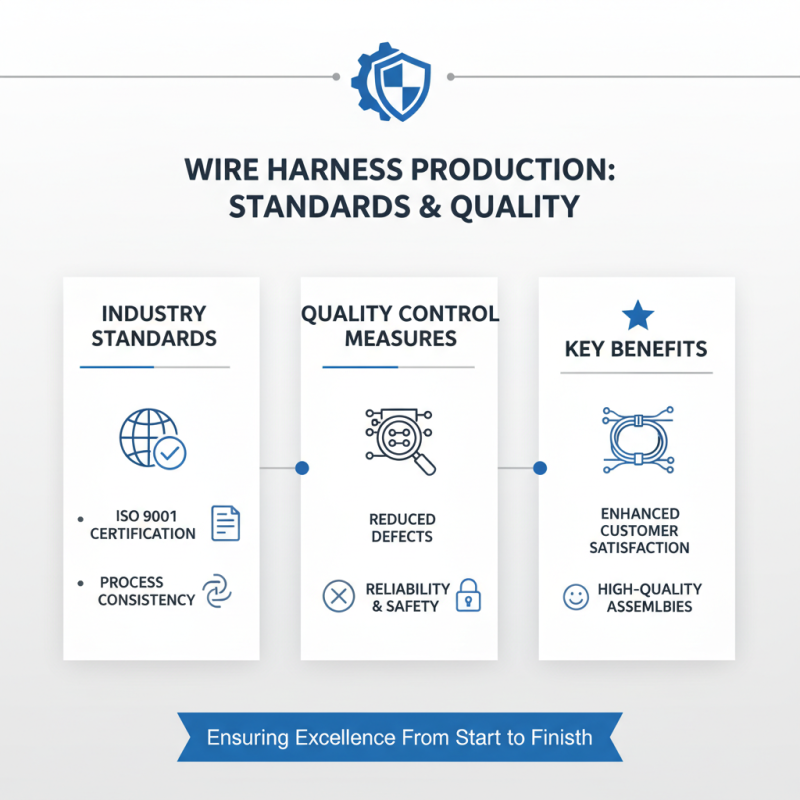
When creating a high-quality wire harness assembly, industry standards and quality control measures play crucial roles. These guidelines help ensure the reliability and safety of the final product. Many manufacturers follow ISO 9001 standards to maintain consistency in their processes. Adhering to these standards reduces the risk of defects and enhances customer satisfaction.
Quality control measures include regular inspections throughout production. Visual inspections can catch issues early. Testing the electrical integrity of each harness is also essential. This step ensures that every wire performs as expected. Often, manufacturers use automated testing equipment to verify connections and continuity. However, relying solely on machines may overlook subtle flaws that human eyes can spot.
Documentation is another crucial aspect of quality control. Each step of the production process should be recorded. This practice aids in traceability and accountability. Yet, many companies struggle with compliance, reducing the overall effectiveness of their quality systems. Reflecting on these challenges can lead to better practices in quality assurance.
Best Practices for Testing and Troubleshooting Wire Harness Assemblies
Testing and troubleshooting wire harness assemblies is critical for project success. A high-quality assembly guarantees safety and performance. Start by inspecting connections visually. Look for any loose wires or corrosion. A detailed examination can prevent future failures.
Use a multimeter to check continuity. This tool verifies that electrical signals travel through the harness without interruption. Each wire needs to be tested individually. It's easy to overlook an issue if you only check the entire assembly. Don’t hesitate to revisit your connections, even if they appear fine.
Document your testing process. Recording results helps in tracking down recurring issues. Collaborate with your team to share insights. Reflect on errors or missed steps in your assembly process. Continuous improvement is key. Aim for reliability, but don't dismiss the learning curve that comes with troubleshooting.