How to Choose the Right Cable Gland?

Choosing the right Cable Gland starts with the cable, not the product label. Measure the cable’s outer diameter, including any sheath or armor, and compare it with the gland’s stated clamping range. A loose fit can weaken sealing and strain relief. A tight fit can damage the cable jacket during installation. Small differences matter.

The installation environment shapes the next choices. Consider moisture, dust, cleaning chemicals, temperature changes, vibration, and exposure to sunlight. A gland’s material and sealing design should suit those conditions, while its thread must match the enclosure entry. Check whether the cable is armored, screened, or unarmored; each construction may need a different termination method. Details matter.

A useful selection process also checks the equipment maker’s instructions and the gland’s technical data, including any stated ingress or temperature ratings. Do not assume that a familiar model suits every enclosure. I have seen selection guides make this look simpler than it is: one overlooked dimension can undo an otherwise careful installation. That deserves a second look.

This guide explains the factors to compare before choosing a Cable Gland, from cable size and entry thread to materials and installation needs. It is not a substitute for checking the actual cable and site conditions. A catalog table helps, but it cannot inspect your setup.
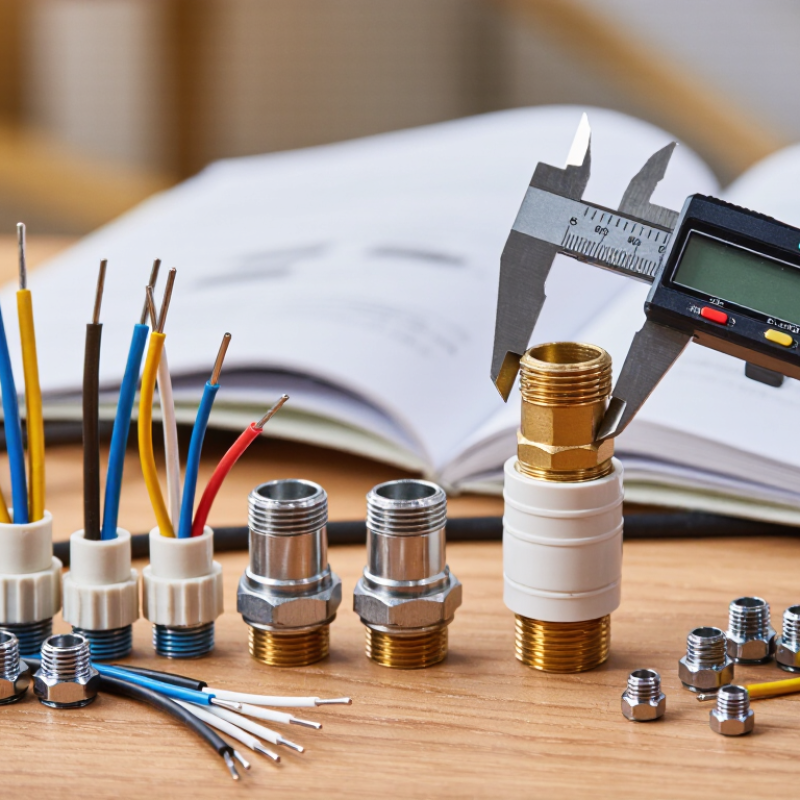
How to Choose the Right Cable Gland?

What a Cable Gland Does and Where It Is Used

How to Choose the Right Cable Gland?

What a Cable Gland Does and Where It Is Used

A cable gland is a fitting installed where a cable enters an electrical enclosure, such as a control cabinet, junction box, or motor housing. It grips the cable and helps prevent pulling, twisting, and abrasion from damaging the connection. Depending on its design and installation, it can also help seal the entry against dust or moisture. A gland is not a cure for a poorly sealed enclosure. Its protection depends on the cable, enclosure opening, and correct fitting.

Cable glands are used in factories, outdoor equipment, building services, and machinery. The right type depends on the cable construction and the conditions around the entry point. For example, armored cable may need a gland that secures and terminates its armor, while an outdoor installation may require a suitable environmental rating. Check the cable’s outside diameter, thread type, enclosure material, and required protection level before choosing. Small mismatches can cause loose grips or damaged seals. That detail matters.

Tips: Measure the cable at the point the gland will grip it. Check the manufacturer’s fitting range and follow its installation instructions. Keep seals clean, and inspect them if the cable is moved or replaced. It is easy to focus on the gland alone; the enclosure opening deserves equal care.

How to Identify Cable Type, Size, and Installation Conditions

Choosing the right cable gland begins with identifying the cable, not guessing from its appearance. Check whether it is armored or unarmored, round or flat, and note its outer jacket material. A shielded cable may also need a gland that maintains screen continuity. Small details matter.

Measure the cable’s outside diameter across the complete outer sheath. Take measurements in several places, since some cables are slightly oval. Compare the results with the gland’s stated clamping range, and check that the entry thread matches the enclosure. Measure twice. A tight fit can damage the jacket; a loose one may not seal or grip reliably.

Installation conditions shape the final choice. Consider exposure to rain, dust, oil, cleaning chemicals, sunlight, temperature changes, and vibration. Check the enclosure wall thickness, available clearance, cable bend radius, and whether tools can reach the entry point. For outdoor or washdown locations, confirm the required ingress protection for the assembled enclosure, not just the gland itself. Even careful measurements can miss a swollen jacket or an awkward entry angle, so a sample fit before installation can reveal problems early.

How to Choose Gland Material, Seal, and Protection Rating

Start with the cable jacket and enclosure conditions, not the gland’s appearance. For a wet outdoor junction box, plated brass can resist corrosion and hold threads firmly. Stainless steel may suit areas exposed to salt spray or chemical washdown. For lightweight equipment, a polymer gland can reduce weight, but check its temperature and impact limits. Match the gland material to nearby metals to help reduce galvanic corrosion. Small details matter.

The seal must fit the cable’s actual outside diameter, including its jacket, not just the conductor size. Measure a cable sample; catalog ranges can hide a tight fit. An undersized seal may deform the jacket, while an oversized one may let in water or dust. Check that the seal material tolerates site conditions such as oil, UV exposure, heat, and cleaning fluids. Choose an ingress protection rating for the installed assembly, since the gland alone cannot guarantee it. Thread type, washer placement, torque, and cable diameter all matter. Check the details. Where practical, inspect the assembly under real conditions; routing and vibration can reveal assumptions that looked sound on paper.

How to Choose the Right Cable Gland: Material, Seal & Protection Rating

Use the IP digits to compare protection against solid objects and water. Hover over a bar for the IEC 60529 description.

How to use this chart: The bars show IP code digits, which are ordinal categories—not a measure of equal performance increments. The first digit describes protection against access to hazardous parts and solid objects; the second describes water protection. For example, IP66 means dust-tight and protected against powerful water jets.

Choosing the gland: Consider brass or stainless steel for metal-gland applications, or polyamide where a lightweight, non-corrosive option is suitable. Check chemical, temperature, UV and mechanical requirements. Select a seal compatible with the cable’s outer diameter and jacket, and verify the rating for the complete assembled installation. For IPX8, immersion conditions are agreed between the manufacturer and user.

How to Match the Gland Thread and Cable Entry

How to Choose the Right Cable Gland?
How to Match the Gland Thread and Cable Entry

A cable gland has two separate sizing jobs: its thread must fit the enclosure entry, and its clamping range must fit the cable’s outer diameter. Check both before ordering. A 20 mm cable entry does not mean the gland is suitable for a 20 mm cable. Read the enclosure drawing and measure the cable jacket with calipers, not by eye.

Thread standards can look deceptively similar. Metric, PG, NPT, and BSP threads are not automatically interchangeable, even when their diameters seem close. Confirm the thread type and pitch from the equipment specification. Then check that the entry is threaded or sized for the gland’s mounting method. Do not force it. Cross-threading can damage the enclosure and compromise the seal.

Next, compare the cable’s measured diameter with the gland’s stated clamping range. Include any jacket variation, but do not choose a range so broad that the seal cannot grip evenly. Check the required sealing performance and the installation conditions, such as vibration, moisture, or temperature changes. A washer or locknut may also be needed, depending on the entry design. It sounds fussy, but this is where a rushed selection often fails. If dimensions remain unclear, verify them with the enclosure or gland documentation before installation.

How to Check Standards, Hazard Ratings, and Installation Needs

How to Choose the Right Cable Gland?
How to Check Standards, Hazard Ratings, and Installation Needs

Start with the cable and enclosure, not the gland catalogue. Measure the cable’s actual outer diameter, including any sheath, and confirm the enclosure thread, cable construction, and operating temperature. For hazardous areas, check the equipment protection level, gas or dust group, and temperature class against the site requirements. IEC 60079-14 covers selection and installation of electrical equipment in explosive atmospheres; IEC 60529 defines IP protection ratings. A familiar-looking marking is not enough: verify the gland’s certificate and that its permitted use matches the enclosure. A snug fit can still be wrong.

The NFPA report Home Fires Involving Electrical Failure or Malfunction estimates 46,700 such US home fires annually for 2015–2019. This figure is not specific to cable glands, but it underscores why enclosure entries and connections deserve careful inspection. Check that seals suit the cable jacket and exposure, and that armor is terminated as the installation design requires. A clean installation matters. So does the detail beneath it: tightening torque, sealing washers, and available space for a spanner. These are easy to miss when the panel is crowded.

Tips: Measure the cable at the gland location, then recheck after stripping. Confirm the required IP and hazard ratings on the certificate, not just the product label. If the fit feels uncertain, pause and check the installation instructions.

How to Choose the Right Cable Gland? - How to Check Standards, Hazard Ratings, and Installation Needs

Selection factor What to check Practical guidance Verification before installation
Applicable standards Project jurisdiction, equipment certification, and applicable cable-gland requirements. IEC 62444 covers cable glands. Hazardous-area installations may also require relevant parts of the IEC 60079 series and local electrical codes. In North America, check the applicable NEC or CEC requirements and certification scheme. Confirm the required standards and approvals with the project specification, authority having jurisdiction, and equipment documentation. Do not assume standards from different systems are interchangeable.
Hazardous-area classification Gas or dust hazard, Zone or Division, equipment protection level (EPL), and protection concept. Typical IEC gas-zone EPL associations are Zone 1: Gb and Zone 2: Gc; for dust, Zone 21: Db and Zone 22: Dc. These are classification relationships, not a substitute for selecting a suitably certified gland and installation method. Check the area classification documents and the gland’s certification and marking. Verify that the certificate covers the intended atmosphere, zone, protection concept, cable, and installation arrangement.
Ingress protection Required protection against solid objects, dust, and water under IEC 60529 or the project’s specified rating system. Choose a gland and sealing arrangement that meet the required enclosure rating in the actual assembly. The result depends on the enclosure entry, cable diameter, seals, accessories, and correct installation. Check the manufacturer’s stated rating and test conditions. Confirm that the assembled gland, cable, entry thread, and any adaptors or reducers preserve the required protection.
Cable construction and size Cable type, overall diameter, sheath material, armor or braid, and any special construction. Use a gland designed for the cable construction. Select a sealing range that includes the measured cable diameter; a gland suitable for unarmoured cable may not provide the required armor clamping or bonding for an armoured cable. Check the cable datasheet and measure the cable where the seal will contact it. Confirm the gland’s stated diameter range and compatibility with the cable’s sheath and armor details.
Armor clamping and bonding Whether armor or braid must be mechanically secured and electrically bonded or earthed. Use a gland and accessories intended for the specific armor or braid type and the required electrical continuity arrangement. Requirements depend on the wiring rules, system design, and equipment certification. Follow the cable and gland instructions. Verify armor preparation, clamping, bonding, and continuity as required by the design and applicable rules.
Entry thread and enclosure Thread type and size, entry thickness, available space, and compatibility with the enclosure. Common thread forms include metric and NPT; their profiles and pitches differ. Select a matching thread rather than forcing incompatible threads together. Use only permitted adaptors or reducers where needed. Confirm the enclosure-entry specification, thread size and form, and engagement requirements. Check that any accessory is suitable for the application and does not compromise certification or ingress protection.
Material and corrosion exposure Indoor or outdoor use, moisture, chemicals, salt exposure, and contact with enclosure materials. Choose gland body and seal materials compatible with the site environment and cable jacket. Corrosion performance depends on the material grade, exposure, and assembly; no single material is suitable for every environment. Review material specifications and chemical-compatibility information. Consider galvanic compatibility, corrosion protection, and the maintenance environment.
Temperature range Minimum and maximum ambient temperature, cable temperature limits, and any equipment-specific limits. The usable range is limited by the gland, sealing materials, cable, and any certification conditions. Consider both operating conditions and expected temperature extremes. Compare the documented temperature ranges and certification conditions for all parts of the assembly with the project’s design temperatures.
Mechanical and installation needs Vibration, cable movement, bending, pull-out loads, access, and available installation space. Select a design appropriate to the mechanical demands. Provide suitable cable support and strain relief; do not use the gland as a substitute for required cable supports. Check clearance for assembly and inspection, cable routing and bend radius, and the manufacturer’s installation sequence and tightening instructions.
Final installation inspection Correct parts, complete seals, secure termination, and compliance with instructions and site procedures. Incorrect cable preparation, missing components, or improper tightening can undermine sealing and mechanical performance. Hazardous-area work may require inspection by suitably qualified personnel. Check the installed assembly against the applicable drawings, product instructions, certification documents, and inspection requirements before energizing.