What is a Miniature Circuit Breaker and How Does it Work?
A Miniature Circuit Breaker (MCB) is essential in modern electrical systems. It plays a critical role in protecting circuits from overloads and short circuits. These devices automatically switch off electrical flow when issues arise, preventing damage to appliances and wiring.
In residential and commercial settings, MCBs ensure safety. They are compact, making them suitable for tight spaces. MCBs are also user-friendly. When a trip occurs, users can easily reset the device. This convenience contributes to their popularity. However, not all MCBs are created equal. Different types exist for various applications. Selecting the right one requires some knowledge.
Understanding how a Miniature Circuit Breaker works is vital. It involves mechanisms that detect electrical anomalies. Some users may overlook this, leading to potential hazards. By learning about MCBs, individuals can make informed decisions. This not only enhances safety but also promotes efficient electrical use.
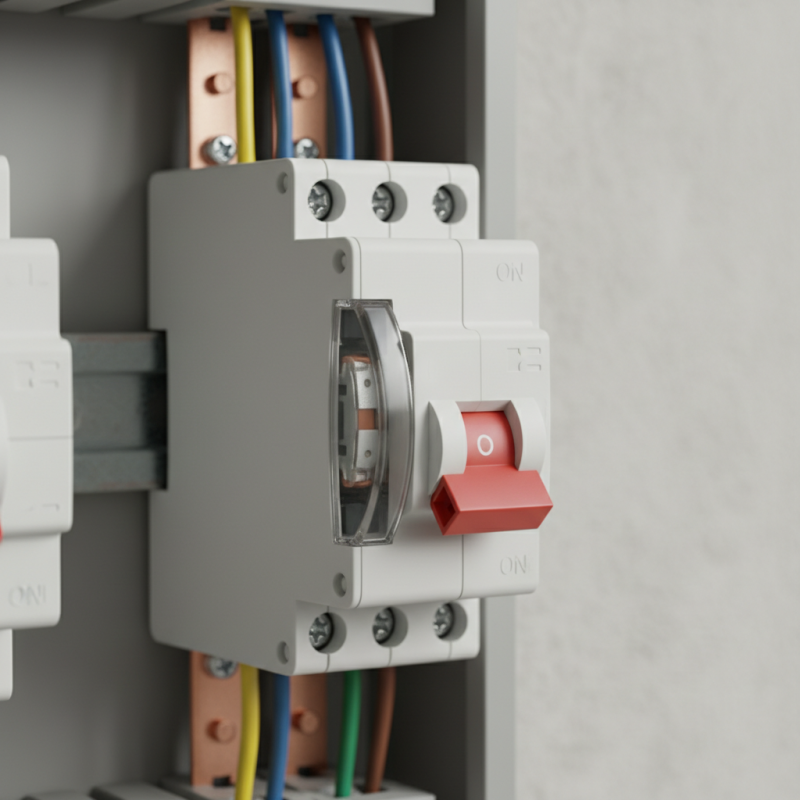
What is a Miniature Circuit Breaker (MCB)?
A Miniature Circuit Breaker (MCB) is a vital component in electrical installations. It provides overcurrent protection, preventing electrical overloads. MCBs automatically switch off the circuit when they detect excessive current, helping to avoid hazardous situations like fires or equipment damage.
Choosing the right MCB for your needs is crucial. Understanding its ratings and functions can be daunting. It’s important to analyze your electrical load. Ensure that the MCB can handle the maximum current safely. Installation should be carried out by a qualified professional to avoid mistakes.
**Tip:** Always check the specifications of the MCB. A poorly chosen breaker might not trip when needed.
MCBs come in different types, each suited for specific applications. Type B is common for residential use. In contrast, Type C is better for commercial setups with inductive loads. Some users may overlook these differences, leading to inadequate protection.
**Tip:** Regularly test your MCBs. Dust or wear can impact their performance. A faulty MCB may fail to trip during an overload.
Whether you are updating your home or managing a larger installation, understanding MCBs is key. Small errors can lead to significant risks. Always prioritize safety in your electrical choices.
Components of a Miniature Circuit Breaker and Their Functions
A Miniature Circuit Breaker (MCB) is a critical device in electrical systems. Its main components include the bimetallic strip, electromagnetic mechanism, and the switching mechanism. Each part plays a vital role in protecting electrical circuits from overload and short circuit risks.
The bimetallic strip responds to excess current. When the current exceeds a safe limit, it bends and triggers the breaker. This design ensures quick disconnection, reducing damage. The electromagnetic mechanism offers additional protection against short circuits. This rapid response can prevent fires and equipment failure, which are major concerns in electrical safety.
The switching mechanism allows for manual operation. Users can reset the breaker easily after addressing the issue. Reports indicate that a significant portion of electrical fires is linked to outdated circuit protection devices. This highlights the importance of regularly upgrading MCBs. While MCBs are effective, they are not infallible. Proper installation and maintenance are crucial to maximize their effectiveness. Regular testing is often overlooked, leading to potential hazards.
Working Principle of Miniature Circuit Breakers Explained
Miniature Circuit Breakers (MCBs) are crucial safety devices in electrical systems. They are designed to automatically disconnect electrical circuits when excessive current flows through them. The design is simple yet effective. Inside an MCB, two primary mechanisms monitor the current: thermal and magnetic trip units.
The thermal trip unit responds to continuous overloads. It uses a bimetallic strip that bends when heated. If too much current flows for a prolonged time, it bends enough to break the circuit. On the other hand, the magnetic trip unit reacts to short circuits. When a sudden surge occurs, a solenoid is activated, quickly disconnecting the circuit. This combination offers reliable protection against electrical fires and damage.
While MCBs are effective, they are not infallible. There can be a delay in response time during minor overloads. Additionally, the settings can vary, leading to nuisance tripping. Users must understand these nuances to ensure proper usage. Regular maintenance helps in optimizing their functionality. Understanding MCBs goes beyond their basic operation; it involves knowing their limitations and ensuring their correct installation in our electrical systems.
Miniature Circuit Breaker Ratings Comparison
This chart illustrates the current rating capacities of various types of Miniature Circuit Breakers (MCBs). It provides a visual comparison of common MCB ratings to help understand their usage in different electrical applications.
Key Specifications and Ratings of MCBs in Electrical Systems
Miniature Circuit Breakers (MCBs) play a crucial role in electrical systems, protecting circuits from overloads and short circuits. Their key specifications and ratings determine how effectively they safeguard your electrical infrastructure.
When choosing MCBs, consider their current rating, typically measured in amperes (A). Common ratings include 6A, 10A, 16A, and 32A. The appropriate rating depends on the load and application. The breaking capacity is another essential factor. It indicates the maximum fault current the MCB can interrupt. This is often around 6kA to 10kA for residential applications.
Tips: Always ensure that the MCB's ratings match the requirements of the electrical system. A mismatched rating can lead to failures or unnecessary nuisance trips.
Additionally, MCBs are categorized based on their tripping characteristics as Type B, C, and D. Type B is ideal for residential circuits. Type C suits commercial applications with brief overloads. Type D is meant for heavy industrial loads. While selecting an MCB, reflect on future needs. It’s critical to anticipate potential upgrades or changes in electrical load.
Tips: Regularly assess your MCBs to ensure they function properly. Check for signs of wear or malfunction to avoid unexpected failures.
Advantages of Using MCBs Over Traditional Fuses in Circuit Protection
Miniature Circuit Breakers (MCBs) offer significant advantages over traditional fuses in circuit protection. MCBs reset easily. When a fault occurs, they trip instantly, minimizing damage. In contrast, fuses must be replaced, causing delays. This saves time and reduces inconvenience when an electrical issue arises.
MCBs can handle varying loads with precision. They are adjustable and can provide selective tripping. This ensures that only the faulty circuit is disconnected. Traditional fuses do not have this capability. They often blow out for minor issues, leading to unnecessary interruptions.
Want to enhance circuit safety? Consider these tips. Regularly check MCB ratings. Ensure they match the appliances on the circuit. Also, observe the environment around the MCB. Heat and humidity can affect performance. Finally, don't ignore any signs of tripping. Frequent trips could indicate deeper issues.