What is a Sternum Saw and How is it Used?
The "Sternum Saw" is a specialized tool used in surgeries involving the chest. Renowned cardiac surgeon Dr. Emily Carter notes, "The right equipment can make all the difference in surgery." This statement highlights the importance of the Sternum Saw in medical procedures.
With its precision and efficiency, the Sternum Saw allows surgeons to access the heart with minimal disruption. The design of the saw offers control and safety, helping to reduce risks during delicate operations. Surgeons benefit from its ergonomic grip and blade sharpness, which contribute to better outcomes.
However, relying solely on technology can lead to complacency. Surgeons must remain aware of the environment and potential complications. The use of a Sternum Saw should be complemented by skill and experience. In critical situations, even the best tools require careful handling. Continuous training and focus are essential for success in the operating room.
What is a Sternum Saw and Its Role in Medical Procedures?
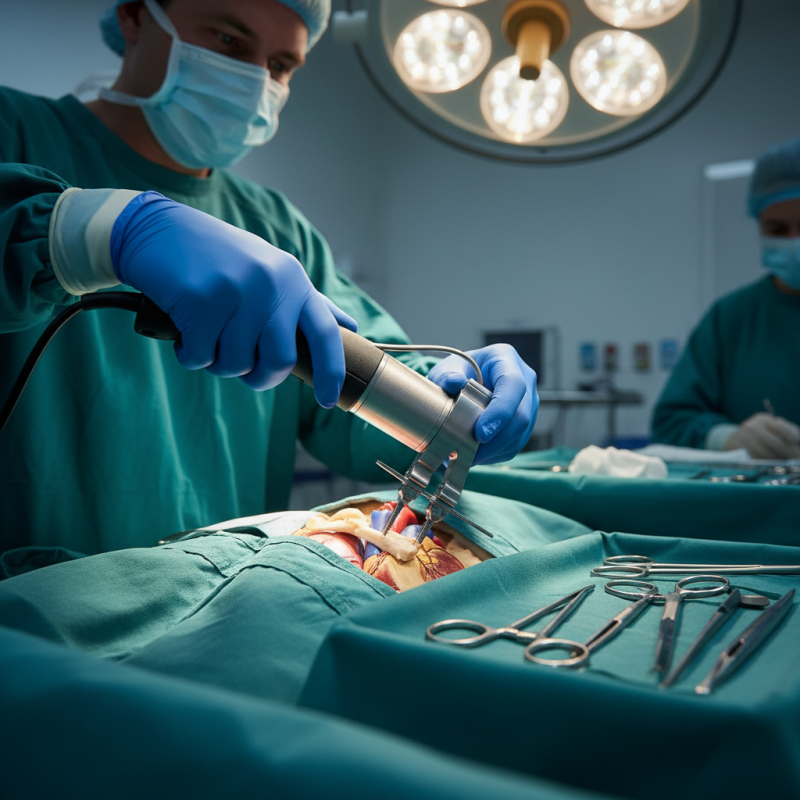
A sternum saw is a specialized surgical tool used in various medical procedures. It plays a crucial role during surgeries that require access to the chest cavity, such as open-heart surgery. The design of a sternum saw allows for precise cutting of the sternum, or breastbone, which provides surgeons access to the heart and lungs. In these critical moments, time and accuracy are vital.
During surgery, the saw's movement must be steady yet controlled. Surgeons rely on the tool to minimize trauma to surrounding tissues. Its blades are sharp, designed specifically to cut through hard bone quickly and efficiently. However, there’s always a risk involved. If not handled properly, the saw could cause unintended injuries. Surgeons must remain focused, maintaining a delicate balance between urgency and caution.
Understanding the sternum saw's function highlights its importance in medical settings. This tool represents both technological advancement and the need for skilled hands. Each use demands respect, reflection, and a commitment to patient safety. The ability to wield such a tool requires years of training and contemplation. After all, each incision carries weight, and every procedure is a matter of life and death.
Historical Development of the Sternum Saw in Thoracic Surgery
The sternum saw has a rich history in thoracic surgery. It emerged as a crucial tool for accessing the heart and lungs. Initially, surgeries involved more rudimentary methods. Over time, the design evolved to improve safety and effectiveness. Early saws faced multiple issues, like excessive trauma to surrounding tissues.
In the mid-20th century, advances in medicine drove the need for a more efficient instrument. Surgeons began to prefer powered sternum saws, which reduced manual labor. These saws provided more precision. They allowed for quicker procedures. Still, the learning curve was steep. Many surgeons had to adapt to using these new tools.
Despite its evolution, challenges remain. Some may struggle with complications, like infections or poor healing. Each case demands careful consideration. As technology continues to advance, the sternum saw will likely see further refinements. The quest for innovation in surgical tools is ongoing. The past informs the future in this vital field.
Key Features and Specifications of a Sternum Saw
A sternum saw is a specialized surgical instrument. It is designed for cutting through the breastbone during thoracic surgeries. This tool allows surgeons to access the heart, lungs, and other internal organs more effectively.
Key features of a sternum saw include its oscillating blade. This blade operates efficiently to avoid excessive tissue damage. The saw is often lightweight, which aids in maneuverability. Many models offer a variable speed setting, allowing for precision cuts. The ergonomic handle ensures comfort during prolonged use.
While a sternum saw is crucial in many procedures, some challenges exist. Surgeons must be careful to align the saw accurately. Misalignment can lead to complications. The user must practice to become proficient. Continuous training is essential for maintaining skill levels. This tool remains powerful, yet it requires respect and understanding from its users.
Common Surgical Procedures Utilizing a Sternum Saw
A sternum saw is essential in several surgical procedures. It is primarily used in open-heart surgeries. Surgeons access the chest cavity by cutting through the sternum. This tool allows for precision and minimizes damage to surrounding tissues.
Common procedures utilizing a sternum saw include coronary artery bypass grafting (CABG). This surgery involves redirecting blood flow around blocked arteries. Another procedure is heart valve replacement. Here, the damaged valve is removed and replaced with a new one.
Surgeons must be skilled in using the sternum saw. Mistakes can lead to complications. Proper training and practice are critical. The procedure is not without risks, and care must be taken. Each surgery presents unique challenges that require careful consideration and reflection.
Sternum Saw Usage in Common Surgical Procedures
Safety Protocols and Best Practices for Using a Sternum Saw
Using a sternum saw requires strict adherence to safety protocols. Surgeons and operating room staff must wear appropriate personal protective equipment (PPE). This includes gloves, surgical gowns, and eye protection. Ensuring a sterile environment is a must. Contaminants can lead to infections and complications for patients.
During surgery, it’s essential to remain focused. Distractions can cause mistakes. The sternum saw is a powerful tool designed for precision but can also be dangerous. Operators should maintain a firm grip and control over the device at all times. Before use, check the equipment thoroughly. Any signs of wear or damage should be addressed immediately.
Tips: Always communicate with your team. Establish a clear workflow before the procedure starts. Double-check your settings and angles to minimize errors. Take a moment to reflect after each surgery. What went well, and what could be improved? Continuous improvement is vital in this high-stakes field.
What is a Sternum Saw and How is it Used? - Safety Protocols and Best Practices for Using a Sternum Saw
| Dimension | Description |
| Type of Saw | Oscillating Sternum Saw |
| Usage | Used in open heart surgeries to cut the sternum. |
| Blade Length | Typically between 5 to 7 inches. |
| Material | High-grade stainless steel for durability. |
| Safety Protocols | Use personal protective equipment (PPE), ensure proper training before use. |
| Maintenance | Regularly check and replace blades, clean after each use. |
| Best Practices | Ensure sterile conditions, have a team member assist during surgery. |