China Top 10 Rgb Ring Light Suppliers for Global Buyers introduces a fast-changing segment of creator and professional lighting. The market is broader than product catalogs suggest. DataReportal’s Digital 2024 Global Overview reported 5.04 billion social media users worldwide. That audience supports continuous demand for livestreaming, tutorials, product demonstrations, and video calls. Every application needs controlled facial light.
Grand View Research valued the global LED lighting market at approximately USD 78.7 billion in 2023. Its report also identified strong growth through 2030, driven by energy efficiency, digital controls, and wider LED adoption. RGB ring lights sit within this larger movement. They combine adjustable color temperature, multicolor effects, dimming, and compact mounting. However, market estimates for ring lights vary widely. Some reports mix studio lamps, selfie lights, and decorative RGB products. Buyers should treat headline figures carefully.
Cinematographer Gordon Willis said, “The key to good lighting is to make it look like there is no lighting at all.” That principle remains useful for RGB Ring Light selection. A reliable supplier should provide even diffusion, stable color output, low flicker, safe power design, and repeatable samples. Ask for measured specifications, not only attractive photographs. Check CRI, CCT range, LED lifespan, adapter standards, packaging strength, and after-sales response. Small details matter. A loose tripod can ruin a paid livestream.
This guide compares ten China-based suppliers through product capability, manufacturing experience, quality controls, export readiness, and customization support. No ranking is perfect. Supplier data can change quickly, and a lower price may hide weaker components. Careful verification still matters.
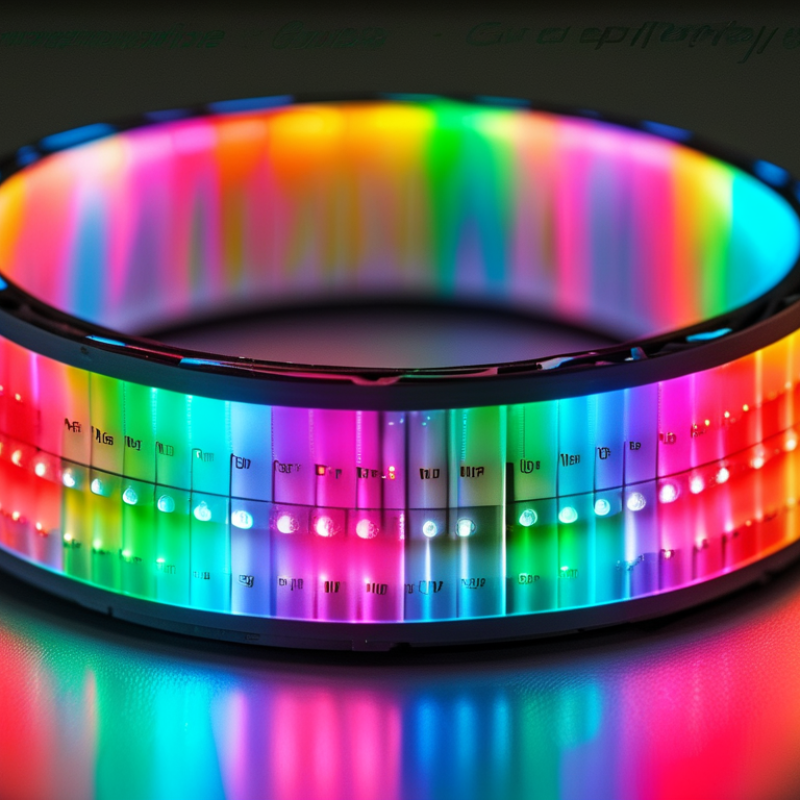
China’s RGB ring light supplier market serves creators, livestream studios, photographers, and online educators worldwide. The leading ten suppliers usually compete through LED color range, stable brightness, flexible mounting, and export experience. Many factories offer 10 to 18-inch models, Bluetooth controls, phone holders, and USB or adapter power options.
During supplier evaluations, buyers should inspect more than product photos. Ask for sample units, LED color consistency reports, packaging tests, and production lead times. A reliable factory should explain its quality-control process clearly. Check whether the supplier can provide documents required in your target market. Confirm plug types, voltage, labeling, and warranty terms before placing a larger order.
Price differences often reflect heat management, diffuser quality, and power-board design. Low-cost lights may show uneven color around the ring. They may also lose brightness after extended use. Not perfect. A careful buyer should test a sample for two hours, adjust colors repeatedly, and check the stand’s stability on a real desk. Supplier rankings can change quickly because factories update tooling, materials, and export services. Personal inspection, independent testing, and written specifications remain more dependable than online rankings.
Global buyers should judge RGB ring light suppliers by measurable performance, not polished product photos. Grand View Research estimates the global LED lighting market reached about USD 78.5 billion in 2023, with strong growth through 2030. That expansion increases supplier choices, but also raises quality risks. Request independent test reports for color rendering, brightness, thermal stability, and electromagnetic compatibility. A credible supplier should state CRI and TLCI values, not simply claim “professional light.”
Check brightness at a defined distance, such as one meter. Confirm the RGB color range, white-light CCT range, dimming steps, and control response. Flicker testing also matters. IEC 62471 supports photobiological safety assessment, while IEC 60598-1 covers general luminaire safety requirements. The U.S. Department of Energy notes that LED products can use at least 75% less energy than incandescent lighting. However, poor drivers may still create visible flicker or premature failure. Numbers need context.
Supplier reliability appears in the details. Ask for sample units from mass production, aging-test records, component traceability, and documented inspection procedures. Verify plug types, voltage compatibility, packaging strength, warranty handling, and spare-part availability. ISO 9001 certification can support process control, but it cannot replace product testing. I would not trust a certificate alone. One overlooked weakness is color consistency between batches. Require tolerance data and repeat measurements before placing a large order.
China’s leading RGB ring light suppliers differ in engineering depth and production focus. Supplier One specializes in compact desktop lights for creators and video calls. Supplier Two produces larger models with adjustable color temperature and smooth dimming. Supplier Three supports OEM housing designs, including custom colors and bracket layouts. Supplier Four focuses on app-controlled lighting, wireless remotes, and simple Bluetooth pairing. Its software should be tested carefully.
Supplier Five offers budget-friendly lights for online retailers and small studios. Supplier Six uses aluminum frames and reinforced stands for frequent commercial use. Supplier Seven provides high color rendering performance for makeup, product photography, and livestreaming. Supplier Eight develops battery-powered models for mobile shooting. Battery capacity can vary between samples. Supplier Nine combines ring lights with phone holders, microphones, and desktop mounts. Supplier Ten handles higher-volume orders and may provide packaging customization.
A reliable buyer should request samples before signing a large purchase agreement. Check brightness at several distances, color consistency, heat buildup, and stand stability. Ask for photometric data, inspection records, and clear warranty terms. Supplier audits also reveal production capacity and quality-control routines. Some factories respond quickly before payment, then communicate slowly afterward. That risk deserves attention. Product photos can look impressive, but they cannot confirm LED lifespan or adapter safety. A practical comparison should include sample testing, factory verification, packaging checks, and transparent after-sales support.
Global buyers evaluating RGB ring light suppliers should examine more than color effects. In practical studio testing, smooth dimming, stable RGB transitions, and low flicker matter most. A useful model should offer adjustable brightness, white color temperatures, a diffused front panel, and quiet heat management. Controls may include a wired panel, wireless remote, or software interface. Small details matter. Cable length, mounting strength, and connector durability often affect daily use more than advertised lighting modes.
Customization separates capable manufacturers from simple assemblers. Suppliers may adjust ring diameter, LED density, housing material, diffuser texture, control layout, and power input. They can also develop private packaging, printed manuals, and tailored accessories for different markets. However, customization should begin with a technical sample, not only a quotation. I have seen attractive prototypes fail after extended operation because the diffuser yellowed or the power adapter overheated. That mistake is avoidable.
Reliable factories usually maintain in-house design, PCB assembly, injection molding, and final testing. Buyers should request sample inspection records, color consistency data, aging-test results, and documented quality procedures. Production control should cover incoming LEDs, soldering temperature, housing fit, and final brightness output. Independent audits can strengthen confidence, although they do not replace product testing. A supplier with traceable batches and responsive engineering support is often safer than one offering the lowest price. Even experienced buyers should leave room for improvement, because real-world installation may reveal weaknesses that laboratory checks miss.
Global purchasing should begin with evidence, not attractive product photos. A buyer can compare ten suppliers using factory capacity, export experience, response speed, and documented quality procedures. Request a current business license, factory address, production videos, and recent test reports. These records should match the actual manufacturing site. Small inconsistencies deserve questions.
Quality control must examine the product in practical conditions. Test RGB color changes, brightness stability, flicker, heat, cable strength, and tripod movement. Check power plugs, voltage ranges, packaging, and user instructions for the destination market. Ask for a pre-production sample and an inspection before shipment. Photos are useful, but they cannot replace physical testing. A sample may still hide production variation.
Supplier verification needs independent thinking. Contact two recent customers, preferably in different markets, and confirm delivery consistency. Review corrective-action records when defects occur. Clear communication matters too. Can the supplier explain tolerances without vague promises? Can they provide traceable batch numbers? No checklist catches everything. I would keep a small allowance for unexpected color differences or packaging damage. That is not pessimism; it is practical risk control. A reliable supplier accepts questions, records changes, and treats quality as a repeatable process rather than a sales statement.