Top 10 Battery Connector Solutions for Global Buyers?
The demand for Battery Connectors has surged in recent years. Recent reports signal a projected growth rate of 7% annually in the global battery market. This growth signifies an increasing reliance on efficient power solutions across various industries. Companies seek connectors that ensure reliability, safety, and performance.
Battery Connectors play a crucial role in electric vehicles, consumer electronics, and renewable energy systems. For instance, a study by MarketsandMarkets reveals that the automotive sector will require nearly 2 billion connectors by 2025. This data illustrates the scale of the challenge for manufacturers and buyers alike.
Choosing the right Battery Connector solution can be daunting. Issues such as compatibility and quality must not be overlooked. As technologies evolve, the connectors need to adapt, leading to potential compatibility problems. Buyers must approach this market with care and seek reliable partnerships. This article aims to showcase the top ten Battery Connector solutions catering to global buyers, highlighting both their strengths and potential drawbacks.
Introduction to Battery Connector Solutions
Battery connectors are crucial for the functioning of various electronic devices. They facilitate the vital connection between batteries and power systems. The right connector can enhance efficiency and ensure safety. A reliable battery connector solution minimizes energy loss and maximizes performance. Key design factors include size, material, and resistance to environmental stress.
Choosing the right battery connector requires careful consideration. Different applications have unique demands. For instance, high-drain devices might need connectors that can handle larger currents. It’s essential to evaluate the connector's durability as well. Connectors exposed to harsh conditions may degrade faster. Regular testing is necessary to ensure reliability and safety.
While many solutions exist, not all may suit specific requirements. Finding a perfect match can be challenging. Buyers should assess compatibility, ease of use, and long-term performance. If a connector fails, it can lead to device malfunction or even safety hazards. This underscores the importance of diligent selection and testing processes. Adopting a systematic approach can lead to better long-term outcomes.
Factors to Consider When Choosing Battery Connectors
When selecting battery connectors, many factors come into play. One critical aspect is the connector's compatibility with different battery types. Connectors must fit perfectly to ensure a secure electrical connection. A loose fit can lead to overheating or failure. Additionally, the materials of the connector can dramatically impact performance. For instance, connectors made from high-quality metals tend to have better conductivity.
Another consideration is the connector's environmental resistance. Connectors often face harsh conditions. Water, dust, and temperature fluctuations can affect their integrity. Selecting connectors with robust housing will protect against these elements. Ensuring that the connectors meet relevant safety standards is also essential. This not only protects the device but also ensures user safety.
While aesthetic and ergonomic design may seem less critical, they play a role too. An easy-to-use connector design can improve the user experience. A poorly designed connector may frustrate users, leading to improper usage. Reflecting on ease of use alongside functionality is vital in the decision-making process. Overall, understanding these factors can help improve the reliability and longevity of battery-powered devices.
Overview of the Top 10 Battery Connector Solutions
When considering battery connector solutions, numerous options exist for global buyers. Each type brings distinct advantages, emphasizing different applications across industries. Understanding these varied solutions is essential for informed purchasing decisions.
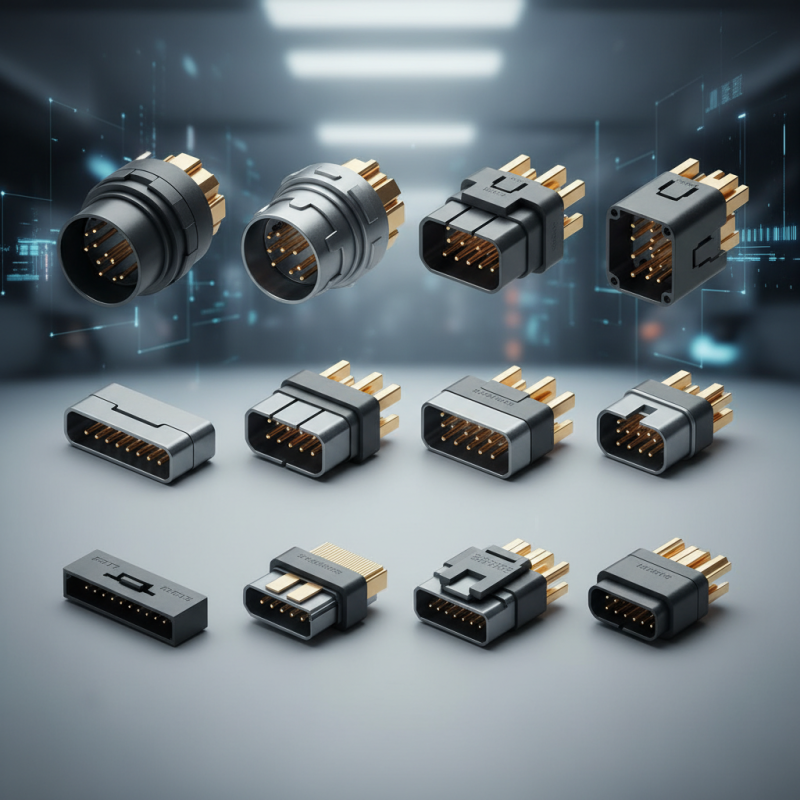
First on the list is the standard blade connector, known for its adaptability. These connectors regularly feature in automotive applications due to their simplicity. They are easy to install and require minimal tooling. Next, we have circular connectors. These are favored for their reliability and durability, making them ideal for use in rugged environments. However, they can sometimes be bulkier than other options.
Other noteworthy options include magnetic connectors. They offer effortless engagement but might sometimes lack robust mechanical stability. Similarly, quick-disconnect connectors enhance convenience, though their longevity can be a concern in high-vibration settings. Ultimately, each solution has strengths and weaknesses. Assessing these factors will lead to a better fit for specific application needs.
Top 10 Battery Connector Solutions for Global Buyers
| Rank | Connector Type | Current Rating (A) | Voltage Rating (V) | Material | Applications |
| 1 | Round Connector | 30 | 600 | Copper Alloy | Electric Vehicles |
| 2 | Blade Connector | 15 | 250 | Plastic & Tin | Consumer Electronics |
| 3 | Screw Terminal Connector | 20 | 500 | Brass | Industrial Machinery |
| 4 | Snap Fit Connector | 10 | 300 | Nylon | Home Appliances |
| 5 | Miniature Connector | 5 | 50 | Aluminum | Medical Devices |
| 6 | Heavy Duty Connector | 50 | 1000 | Steel | Construction Equipment |
| 7 | USB Connector | 3 | 5 | Copper | Personal Devices |
| 8 | Aviation Connector | 80 | 600 | Thermoplastic | Aerospace |
| 9 | Power Connector | 40 | 800 | Copper | Renewable Energy |
| 10 | Docking Connector | 25 | 400 | Zinc Alloy | Telecommunication |
Applications of Battery Connectors in Various Industries
Battery connectors play a vital role in various industries. They ensure reliable power delivery for electric vehicles, consumer electronics, and renewable energy systems. In the automotive sector, connectors need to withstand harsh conditions. This includes extreme temperatures and vibrations. A reliable connection directly impacts safety and performance.
In renewable energy, battery connectors are crucial for solar systems and energy storage. These systems require durable connectors to handle fluctuating loads. The demand for efficiency pushes manufacturers to innovate. They focus on enhancing performance while reducing size. Many solutions prioritize ease of installation. This can lead to complications if not properly designed. Poor connections can cause energy loss and potential hazards.
In consumer electronics, compact and lightweight connectors are essential. They help devices maintain portability while ensuring efficiency. Consumers expect a seamless experience, but this often leads to design challenges. Balancing size and durability requires expert knowledge. Even experienced designers may face difficulties in achieving optimal performance. Industry trends show a continuous push for improvements.
Future Trends in Battery Connector Technology
Battery connector technology is evolving rapidly. This evolution is driven by the increasing demand for efficient energy storage solutions. Manufacturers are innovating to create connectors that enhance performance and reliability. New materials and designs are emerging, focusing on weight reduction and improved conductivity.
Future trends indicate a shift towards modular connector systems. These systems allow for easy customization and scalability. This adaptability is crucial as industries seek flexible solutions for various applications. Additionally, the integration of smart technology into connectors is gaining traction. Enhanced safety features and real-time monitoring capabilities are becoming standard.
However, challenges remain in this fast-paced environment. Ensuring compatibility across devices can be problematic. Manufacturers must navigate complexities in design specifications. Ongoing advancements need to address these issues without compromising quality. The industry must reflect on these hurdles to drive progress further.