Top Wire Harness Manufacturing Equipment for Global Buyers?
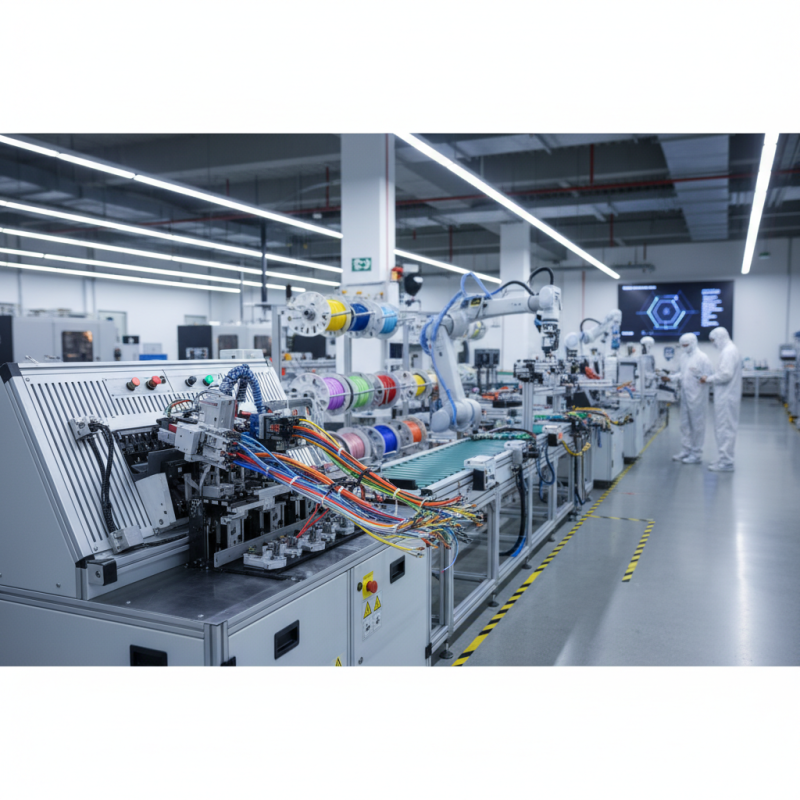
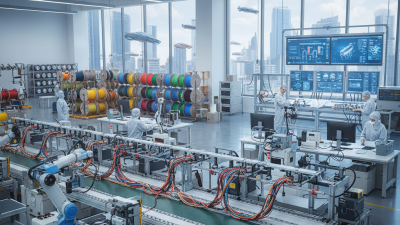
In the realm of manufacturing, **wire harness manufacturing equipment** plays a critical role. High-quality equipment ensures efficiency and precision in production. It’s not just about machines; it’s about the technology behind them. Global buyers need to understand the landscape of available options.
Choosing the right equipment can be daunting. Factors like reliability, performance, and cost must be weighed. Buyers often face the challenge of balancing these aspects while ensuring they meet industry standards. The risk lies in selecting equipment without thorough research.
Moreover, many manufacturers have unique needs. What works for one may not suit another. Understanding one's requirements is essential. Therefore, it’s important to ask the right questions. The goal is to invest in equipment that enhances productivity and quality. This ongoing hunt for the best options requires careful analysis and reflection on past choices.
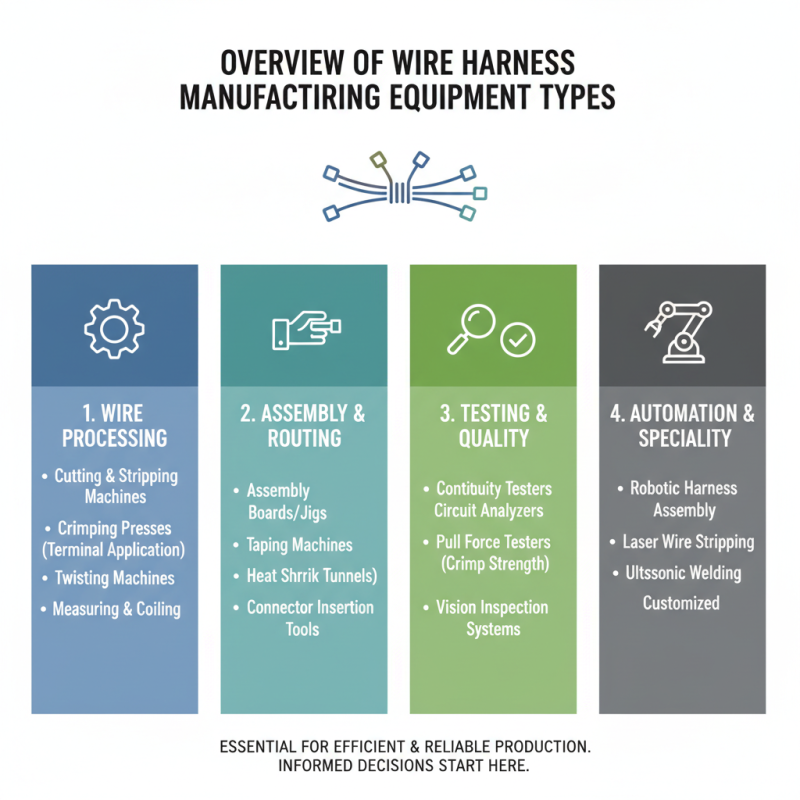
Overview of Wire Harness Manufacturing Equipment Types
Wire harness manufacturing is a critical process in various industries. Different types of equipment are essential for efficient production. Understanding these types helps buyers make informed decisions.
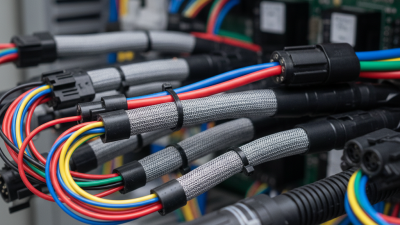
One key type of equipment is the cutting machine. This machine precisely cuts wires to specific lengths. Precision is crucial as incorrect measurements can lead to waste. The need for calibration and maintenance is vital, as wear may affect accuracy over time. Another essential tool is the crimping machine. This device secures connectors to wires, ensuring durability. Users should regularly check for wear on the dies, as this influences the strength of the joints.
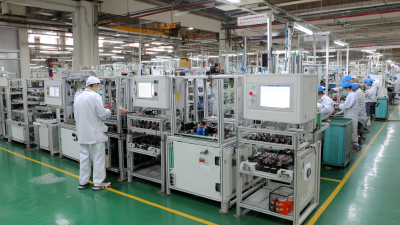
Assembly stations play a significant role in wire harness manufacturing. They facilitate organized workflows, improving efficiency. However, the challenge lies in the effective management of these stations. Inefficiencies may arise if stations are not optimally arranged or if workers lack proper training. Automation is becoming increasingly relevant in this field. While it enhances speed, it also presents challenges. Operators must adapt and maintain a balance between machine efficiency and human oversight.
Key Features to Consider in Wire Harness Manufacturing Equipment
When selecting wire harness manufacturing equipment, it’s crucial to consider specific features that enhance efficiency and reliability. Look for machines that offer versatility in wire types and sizes. Flexibility to handle different projects can greatly improve production flow. Efficiency is key in a competitive market, so prioritize equipment with automation capabilities. Automated processes minimize human errors and maximize output.
Tips: Always assess the ease of use when evaluating machines. User-friendly interfaces can significantly reduce training time and enhance productivity.
Additionally, durability is a must. Equipment should withstand the rigors of continuous operation without frequent breakdowns. Maintenance costs can spiral if machines are not robust enough. Regularly review performance data to identify any inefficiencies. This proactive approach can save time and resources in the long run.
Tips: Consider the manufacturer's support services. Reliable support can mean the difference between smooth operations and costly downtimes. Understanding the total cost of ownership is vital in the decision-making process.
Top Manufacturers of Wire Harness Equipment Globally
The global wire harness market is witnessing significant growth, driven by advancements in technology and increasing demand across various industries. This growth creates a need for high-quality manufacturing equipment. Top manufacturers are emerging as trusted sources of innovative wire harness solutions. Research indicates that the global wire harness market was valued at around $50 billion in 2022, with a projected CAGR of 5.2% from 2023 to 2030.
Professionals in the industry should prioritize equipment that ensures precision and efficiency. High-speed automatic crimping machines have become essential. These machines enhance productivity while maintaining quality. Additionally, investing in reliable testing equipment can prevent costly errors during production. Accurate testing saves time and promotes product reliability.
Tips: When selecting equipment, consider manufacturer support. Strong after-sales service can enhance operational efficiency. Regular maintenance of equipment is important to prevent downtime. A reliable equipment partner can provide crucial insights into equipment performance enhancements. Advancements in robotics also present exciting opportunities. Adopting these technologies can future-proof manufacturing processes.
Comparison of Wire Harness Machinery Costs and Performance
The wire harness manufacturing industry faces unique challenges in cost and performance. According to a recent industry report, the average cost of wire harness machinery is between $25,000 to $250,000, depending on features and capabilities. High-performance machines often come with advanced automation, which can yield faster production times and improved quality. This creates a broad spectrum of options for manufacturers, but choosing the right machine demands careful consideration.
Performance metrics are essential in evaluating machinery. A study by the International Wire and Composite Products Association revealed that machines with higher integration of technology reduce error rates by approximately 30%. However, initial investment remains significant. Many buyers are drawn to automated solutions, despite ongoing maintenance costs that can reach 20% of the initial purchase price annually. This complexity can be daunting for companies striving to balance cost with production efficiency.
Budget constraints can impact equipment choices. A cheaper machine may compromise quality, leading to long-term costs due to waste and repairs. The challenge is to align machinery costs with expected performance. Proper evaluation can enhance productivity and minimize setbacks. Understanding these factors helps manufacturers make informed decisions, yet the landscape remains competitive and ever-evolving.
Future Trends in Wire Harness Manufacturing Technologies
The wire harness manufacturing industry is evolving rapidly. New technologies are reshaping production lines and enhancing efficiency. Automation plays a vital role in this transformation. Advanced robotics can now assemble wire harnesses with precision. These machines minimize human error and boost output rates.
Artificial intelligence is another game-changer. AI algorithms analyze production data in real-time. This capability allows manufacturers to identify inefficiencies swiftly. However, implementing such technology requires skilled personnel, which can be a challenge. Training workers to operate advanced machinery is crucial for success.
Sustainability is becoming increasingly important in manufacturing practices. Eco-friendly materials and processes are gaining traction. Yet, transitioning to greener methods often involves higher upfront costs. Many factories struggle with this change, weighing the need for profits against environmental responsibility. Embracing this shift can be daunting, but the long-term benefits are undeniable.
Top Wire Harness Manufacturing Equipment for Global Buyers
| Equipment Type |
Key Features |
Usage Application |
Future Trends |
| Automatic Cutting Machines |
High precision, programmable settings, reduced waste |
Wire preparation for harness assembly |
Integration with IoT for monitoring |
| Crimping Machines |
Speed, accuracy, various terminal types |
Connecting wires and terminals |
Automation for consistent quality |
| Cable Assembly Machines |
Multi-functionality, space-saving design |
Full assembly of wire harnesses |
Smart assembly lines with AI |
| Testing Equipment |
Real-time monitoring, diagnostic capabilities |
Quality assurance for wire harnesses |
AI-driven predictive maintenance |
| Marking Machines |
High-speed marking, customizable output |
Labeling wires and components |
Integration with digital printing technologies |