Why Choose a Pet Bottle Baling Machine?

A Pet Bottle Baling Machine can change how a recycling facility handles empty plastic bottles. Loose bottles occupy valuable floor space, shift during transport, and often create unnecessary manual work. A reliable baler compresses sorted PET bottles into dense, manageable bales. These bales are easier to store, weigh, move, and prepare for further recycling.

Mike Biddle, a recognized plastics-recycling pioneer, once said, “There is no such thing as waste, only resources in the wrong place.” His view explains the practical value of efficient bottle handling. A Pet Bottle Baling Machine helps place that resource in the right condition. Workers can feed bottles through a controlled chamber, secure the compressed material with binding wire or straps, and reduce scattered plastic around the facility. The result is not only cleaner production. It can also support more consistent logistics and better use of storage space.

However, the machine is not magic. Poorly sorted bottles, excess moisture, or incorrect pressure settings can reduce bale quality. Operators still need training, regular inspection, and realistic production planning. A compact baler may suit a small collection center, while a high-throughput system may fit a large recycling plant. The best choice depends on bottle volume, labor availability, power supply, bale specifications, and maintenance access. That decision deserves careful thought. A machine that looks efficient on paper may disappoint when daily conditions are ignored. This guide examines why choosing the right Pet Bottle Baling Machine can improve operational control, material value, and long-term recycling performance.
Why Choose a Pet Bottle Baling Machine?

What Is a PET Bottle Baling Machine?

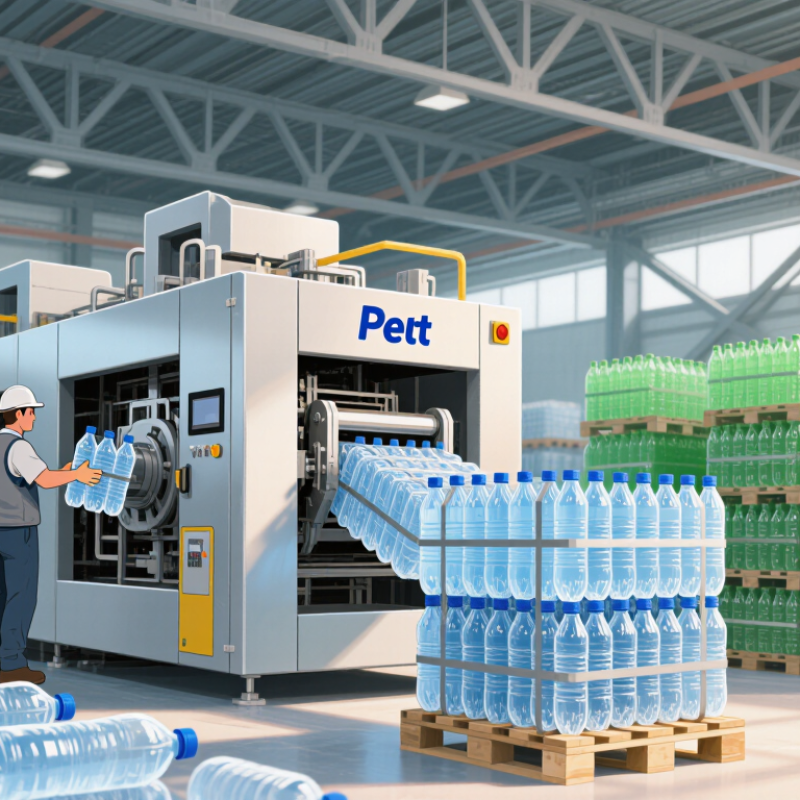
A PET bottle baling machine is industrial equipment that compresses loose polyethylene terephthalate bottles into dense, rectangular bales. A conveyor feeds bottles into a chamber, where a hydraulic ram applies controlled pressure. Binding wire or plastic straps then secure the bale for storage and transport. The process reduces volume dramatically, making forklift handling and truck loading more efficient.

It is mechanical preparation. The machine does not wash bottles or remove every contaminant. Sorting, label separation, and moisture control must happen before pressing.

According to the OECD’s Global Plastics Outlook, the world generated 353 million tonnes of plastic waste in 2019, while only 9% was recycled. This gap explains why stable, well-prepared PET bales matter to recycling facilities.

Bale quality depends on bottle type, moisture, pressure, and chamber size. Wet material can increase weight and create storage problems. Excessive compression may also deform bottles beyond efficient processing.

In real operations, operators should check bale density, strap tension, and contamination regularly. A rushed specification is a common mistake.

The right machine should match daily bottle volume, available floor space, labor skills, and downstream recycling requirements. The UNEP report Turning off the Tap also warns that recycling cannot solve plastic pollution alone, so baling should support a wider recovery system, not replace it.

How Does a PET Bottle Baling Machine Work?

A PET bottle baling machine turns loose, bulky bottles into dense, manageable bales. In practical operation, bottles enter through a conveyor or manual loading area. A hopper guides them into the compression chamber. Sensors check the chamber door and ram position before pressing begins. Good systems prevent movement when the access door is open. This simple interlock matters on a busy recycling floor.

A hydraulic cylinder drives a steel ram through the bottle mass. Pressure removes trapped air and reduces the volume significantly. Perforated or drained bottles compact more consistently because liquid and air escape. The ram usually completes several compression cycles, depending on material quantity and target density. When the bale reaches its set size, straps or binding wires hold it together. The operator then opens the discharge side and moves the bale with suitable handling equipment. The process is controlled, not rushed.

Clean, dry PET produces more stable bales. Mixed containers can create weak edges and uneven pressure. Operators should inspect straps, sensors, hydraulic lines, and chamber surfaces every shift. Small faults cost money. It is not magic. Feed rate, bottle preparation, and correct pressure still require judgment. I would not rely on one setting forever, because seasonal material changes can affect bale quality. A reliable routine records density, blockage causes, and maintenance findings, giving technicians evidence for safer adjustments.

Why Choose a PET Bottle Baling Machine?

A PET bottle baling machine uses a hydraulic ram to compress loose bottles into dense, tied bales that are easier to store, transport, and recycle.

The ranges shown are representative operating values for PET bottle recycling: loose bottles commonly occupy about 15–35 kg/m³, while finished bales often reach approximately 250–400 kg/m³. Higher density means better use of warehouse and truck capacity, with actual results depending on bottle shape, moisture, contamination, and machine settings.

What Benefits Does It Offer for Recycling Operations?

A PET bottle baling machine can make recycling operations more orderly, measurable, and efficient. Loose bottles often fill storage areas quickly, leaving uneven piles around sorting lines. A baler compresses prepared PET into dense, stable blocks. This can reduce floor usage and support cleaner material handling.

The main benefit is easier transport. Compact bales usually require fewer vehicle movements, which may lower handling costs and fuel consumption. Workers can also move standardized loads with suitable lifting equipment instead of carrying loose bottles repeatedly. Bales create clearer inventory units. Operators can weigh, label, and record them more consistently. However, a baler is not a magic solution. Poor sorting, excess moisture, or trapped non-PET items can reduce bale quality and create safety concerns. Results depend on machine settings, staff training, and regular inspections.

Tips: Check bottle moisture before baling. Keep metal and rigid contaminants out. Inspect wire, belts, and chamber surfaces each shift. Record bale weight and density. These small records reveal pressure problems early. It is easy to overlook maintenance during busy periods. That mistake can cause uneven bales, extra downtime, and avoidable labor. Calibration should match the facility’s bottle mix, because lightweight containers may behave differently from thicker packaging.

Which Features Matter When Choosing a Baling Machine?

Why Choose a Pet Bottle Baling Machine?

When choosing a PET bottle baling machine, prioritize measurable performance over impressive specifications. The OECD Global Plastics Outlook reported that only 9% of plastic waste was recycled globally between 2000 and 2019. This gap makes clean, dense, and traceable bales increasingly valuable. A suitable machine should match your daily bottle volume, available floor space, and sorting line speed. Check throughput under real conditions, not only laboratory figures. Wet bottles behave differently. Labels and caps affect compression, too.

Bale density matters because loose bales consume more storage and transport space. Adjustable compression settings can protect bottle quality while improving logistics. A reliable machine should also offer stable wire or strap placement, easy chamber access, overload protection, and simple cleaning points. According to NAPCOR’s 2022 report, the United States PET bottle recycling rate was 24.9%. That figure shows why recovery efficiency still deserves attention. Automation can reduce repetitive labor, but it may increase maintenance complexity. That trade-off is easy to underestimate.

Tips: Ask for a test using your own bottles. Measure bale weight, cycle time, noise, and power use. Inspect the finished bale by hand. Is it firm without crushed plastic dust? Bales should travel well. Also request maintenance intervals and spare-part availability in writing. A machine may look efficient on paper, yet perform poorly with mixed, damp, or heavily labeled bottles. Leave room for honest doubt. Your material changes daily. The machine must handle that reality.

Why Choose a Pet Bottle Baling Machine? - Which Features Matter When Choosing a Baling Machine?

Feature Typical Specification for PET Bottles Importance What to Check Before Choosing Practical Benefit
Throughput Approximately 300–1,500 kg/h, depending on material preparation and machine configuration High Match the rated capacity with the hourly volume of bottles, the conveyor speed, and the available labor. Do not select a machine based only on peak capacity. Prevents production bottlenecks and supports consistent recycling operations.
Bale Density Commonly about 300–450 kg/m³ for compressed PET bottle bales High Confirm the density range under real operating conditions, including bottle moisture, contamination, loose caps, and the presence of crushed or uncrushed containers. Reduces storage space and lowers transportation cost per tonne.
Bale Weight Typically 200–500 kg per bale for medium-duty PET balers High Choose a bale size that can be safely moved by the facility’s forklift, pallet truck, or other handling equipment. Makes handling, stacking, weighing, and shipment more efficient.
Press Force Often approximately 40–120 tonnes for vertical or horizontal PET baling systems High Higher force is not always better. Verify that the force is suitable for the required bale density, chamber size, and material feed rate. Provides stable compression without unnecessary energy consumption.
Baling Chamber Size Common chamber dimensions range from about 800 × 500 mm to 1,100 × 1,100 mm High Compare the chamber volume with the desired bale weight, available floor space, feeding method, and forklift access. Improves loading efficiency and helps produce uniform bales.
Automatic Wire or Strap Tying Manual, semi-automatic, or automatic tying with steel wire, PET strap, or polyester strap High Check the number of tying points, tying cycle time, consumable compatibility, and ease of replacing wire or strap. Shortens the tying cycle and reduces operator effort.
Moisture and Drainage Control Drainage openings or a designed water-management system for wet post-consumer bottles Medium Confirm whether the machine can handle bottles containing residual water and whether the floor area requires drainage or leak protection. Helps maintain bale quality and reduces corrosion or housekeeping problems.
Motor Power Often approximately 15–45 kW for medium-capacity PET baling machines Medium Check the required voltage, frequency, starting current, electrical protection, and the facility’s available power supply. Supports reliable operation without overloading the electrical system.
Cycle Time Approximately 25–60 seconds per compression cycle, depending on the machine design High Ask whether the published cycle time includes loading, compression, bale ejection, and tying, or only the pressing stage. Provides a more accurate estimate of actual daily output.
Feed Opening Usually about 800–1,200 mm wide on medium-sized systems High Ensure the opening accepts the expected bottle stream and connects smoothly with conveyors, sorting lines, or manual feeding stations. Reduces bridging, blockages, and manual repositioning of material.
Safety System Emergency-stop buttons, guarded moving parts, interlocked access doors, and overload protection Essential Look for documented risk assessment, accessible emergency stops, clear operating instructions, and compliance with applicable local machinery-safety requirements. Protects operators and reduces the risk of equipment damage.
Control System PLC-based control with manual, semi-automatic, or automatic operating modes High Check the interface language, fault alarms, cycle counters, recipe settings, remote diagnostics, and ease of operator training. Improves repeatability and simplifies troubleshooting.
Bale Ejection Method Hydraulic push-out, tilting chamber, or mechanical bale removal Medium Select an ejection method that matches the available aisle width, bale weight, forklift route, and downstream handling process. Speeds up bale removal and reduces manual handling risks.
Maintenance Access Accessible hydraulic components, replaceable wear parts, and inspection points High Review lubrication points, filter replacement intervals, hydraulic hose access, spare-parts availability, and preventive-maintenance requirements. Reduces downtime and extends equipment service life.
Installation Footprint Approximately 10–30 m² for the baler itself, excluding feeding and bale-storage areas Medium Allow additional clearance for operator access, maintenance, bale ejection, forklift movement, electrical panels, and ventilation. Supports safer layout planning and smoother material flow.
Noise Level Often around 70–85 dB(A), depending on hydraulic design and operating distance Medium Request a measured noise value and determine whether hearing protection, acoustic separation, or workplace noise monitoring is needed. Helps maintain a safer and more comfortable working environment.

Note: The specifications shown are typical industry ranges for PET bottle baling applications. Actual performance depends on bottle condition, moisture content, feeding method, material contamination, bale size, operating practices, and local safety requirements.

How Can Businesses Use and Maintain It Effectively?

Why Choose a Pet Bottle Baling Machine?

A PET bottle baling machine helps businesses compress loose bottles into dense, manageable bales. This saves floor space and reduces handling time in recycling facilities, warehouses, and collection centers. Operators can move more material with fewer trips. The machine also creates consistent bale sizes, which supports cleaner storage and more reliable transport planning.

Effective use begins with correct preparation. Remove stones, metal pieces, and excessive liquid before loading bottles. These materials can damage the chamber or reduce bale quality. Train operators to check the feed opening, emergency stop, and safety guards before each shift. Follow the equipment manual and keep a simple operating log. Small mistakes matter. An overloaded chamber may cause uneven compression, even when the machine appears powerful. I have found that rushed feeding often creates avoidable blockages.

Tips: Clean the compression chamber daily. Inspect belts, wires, sensors, and hydraulic connections each week. Watch for unusual noise, heat, or oil leakage. Stop the machine before clearing jams. Keep the floor dry and the working area uncluttered. Schedule professional servicing according to operating hours, not only the calendar. Record repairs and replace worn parts early. A short inspection can prevent a long shutdown.