Choosing among China’s wire harness and cable assembly suppliers takes more than comparing unit prices. A low quote can look attractive, but connector quality, crimp consistency, traceability, and communication shape the result. One loose terminal may stop an assembly line. Small details matter.
W. Edwards Deming, a quality expert whose work influenced manufacturing, is often credited with the reminder, “Quality is everyone’s responsibility.” That principle fits this search, even though Deming was not a wire-harness specialist. Buyers should ask how suppliers control incoming materials, verify crimp height, test continuity, and manage design changes. Request sample builds and inspection records. Check whether the supplier can explain its process clearly, not just promise quality.
China’s supplier base is broad. Capabilities vary by factory, product, and order volume. Some manufacturers focus on simple cable assemblies; others handle complex harnesses with multiple branches, shielding, or overmolding. Compare relevant production experience, testing equipment, engineering support, lead times, and quality documentation. Confirm details against your drawings and intended application.
A polished website proves little. A factory tour, sample review, and direct technical discussion can reveal more. Still, no checklist removes every risk. Specifications may be incomplete, and a strong first sample does not guarantee consistent production. This guide will help readers assess leading candidates with practical questions, while leaving room for careful verification. The best choice is not always the cheapest, or the largest. It is the supplier that can repeatedly meet your requirements and explain how it does so.
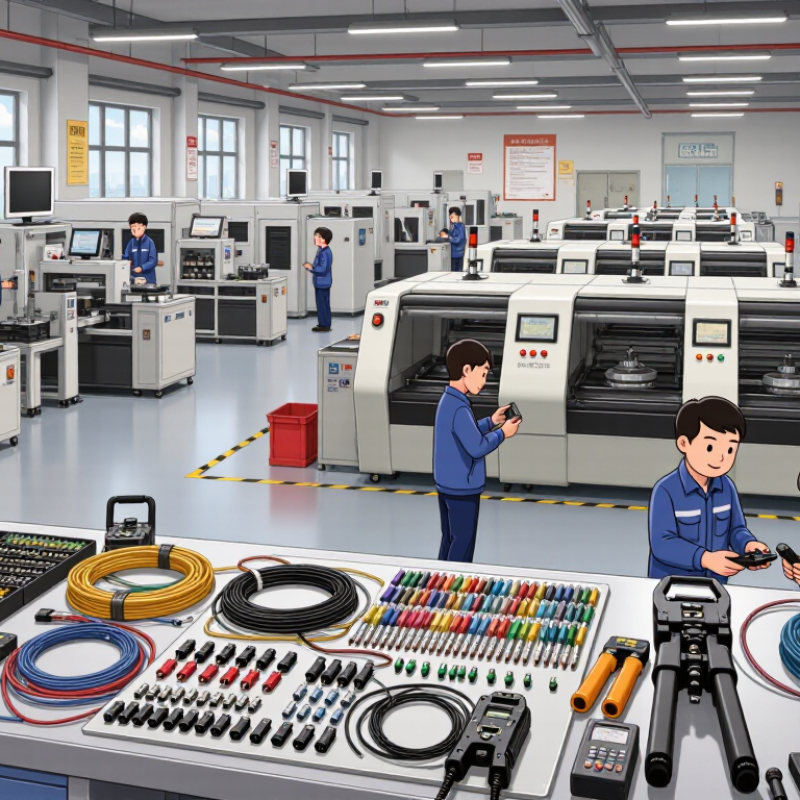
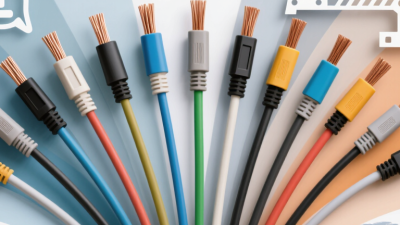
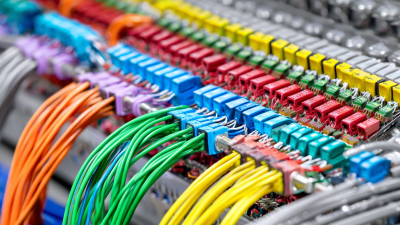
Wire harness and cable assembly suppliers turn electrical designs into organized, install-ready connections. A typical harness may include cut wires, crimped terminals, connector housings, protective sleeves, and labels. Cable assemblies can also combine conductors with shielding, molded ends, or custom lengths to suit a specific machine or enclosure.
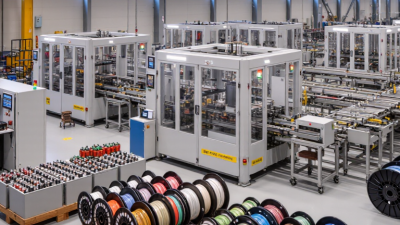
Production often starts with a drawing and a defined wire list. Technicians cut and strip each conductor, attach terminals, then place wires into a branch layout or protective conduit. They may use fixtures to hold the arrangement steady. Simple, but precise. Small details matter: a terminal must be fully seated, and a label should remain readable after installation. Continuity checks can catch open circuits, while visual inspection may reveal pinched insulation or uneven routing.
Suppliers may build prototypes, small batches, or larger production runs, depending on the design and equipment. Clear specifications help: wire gauge, connector type, branch lengths, operating conditions, and test requirements all affect the finished assembly. A tidy bundle can still contain a poor crimp, so appearance alone is not enough. And drawings sometimes miss practical installation limits; checking fit with the actual equipment can prevent awkward bends or strain at the connector.
Wire harness production begins with a controlled cut list, not guesswork at the bench. Operators cut each wire to its specified length, allowing for routing, bends, and connector position. A few millimeters matter. During stripping, blades remove insulation while leaving copper strands intact. A nick can weaken a conductor, even when it is hard to see. Work instructions should define strip length and checks for damaged strands. Small details get missed.
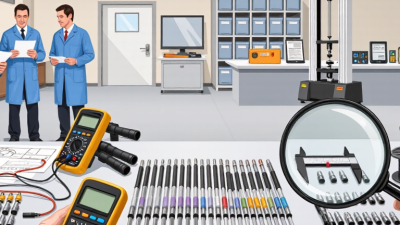
Crimping joins a terminal to the exposed conductor using calibrated tooling and a matched applicator. Technicians check crimp height and inspect the wire brush, bellmouth, and insulation support against the drawing. A pull test can expose weak retention; its frequency should match the product’s risk and control plan. Electrical testing then checks continuity and pin mapping, plus insulation resistance or dielectric strength when specified. Not every assembly needs every test. Recorded results and clear limits help make acceptance repeatable. Still, a neat-looking crimp can fail a pull check, so appearance alone is not proof. Setup can drift between checks. Regular verification matters.
| Category | Dimension or Stage | Typical Practice or Data | What to Verify |
|---|---|---|---|
| Supplier Evaluation | Product and process capability | Experience with the required wire sizes, insulation types, terminals, connectors, and assembly complexity. | Review comparable production samples, process flow, equipment list, and manufacturing scope. |
| Quality management | A documented quality system should define inspection, nonconformance handling, corrective action, and traceability. | Check current certificates and audit the actual production processes; certification alone does not guarantee product quality. | |
| Engineering support | Support may include drawing review, bill-of-material checks, tooling recommendations, and design-for-manufacturing feedback. | Confirm how revisions, approved samples, and customer-specific requirements are controlled. | |
| Production and delivery controls | Capacity planning should account for material lead times, tooling, production steps, inspection, and shipment preparation. | Ask for a production schedule, capacity assumptions, and a clear process for reporting delays or material changes. | |
| Compliance and material records | Requirements vary by end use and destination; material declarations and test records may be needed. | Confirm applicable customer, regulatory, and industry requirements for the specific project and market. | |
| Harness Manufacturing | 1. Wire cutting | Wire is cut to the lengths specified by the harness drawing or work instruction, using a calibrated cutting process. | Check cut length, wire identification, material lot, and setup against the approved documentation. |
| 2. Insulation stripping | Insulation is removed from the wire end to expose the conductor for termination without damaging the strands. | Inspect strip length, conductor condition, and insulation edge; requirements depend on the terminal and wire specification. | |
| 3. Terminal crimping | A compatible terminal is mechanically compressed onto the conductor, and onto insulation support where the terminal design requires it. | Verify the crimp tooling and setup; use visual checks and applicable crimp measurements or pull testing defined by the control plan. | |
| 4. Connector assembly | Terminated wires are inserted into the correct connector cavities and assembled with seals, locks, clips, or protective parts as specified. | Check cavity position, terminal seating, secondary locks, seals, and wire routing against the assembly drawing. | |
| 5. Harness forming and protection | Wires may be bundled, taped, sleeved, clipped, or routed on a fixture to achieve the specified layout and branch positions. | Compare the assembly with the drawing or fixture; confirm branch lengths, component locations, and protection materials. | |
| 6. Electrical and final testing | Testing may include continuity, short-circuit checks, pin-to-pin verification, and other tests required by the product specification. | Use a defined test program and record results where required; perform final visual inspection and packaging checks. |
When comparing wire harness and cable assembly suppliers in China, start with the conductor specification. An 18 AWG conductor has a nominal cross-sectional area of about 0.823 mm². This is not its outside diameter. Stranding, insulation, and manufacturing tolerances affect the finished cable’s size and flexibility. Ask for a controlled drawing that states conductor material, strand count, insulation type, and finished dimensions. Small details matter.
Check voltage and temperature ratings together. A cable rated for the required voltage may still be unsuitable near a hot motor or inside a tightly bundled enclosure. Confirm the operating temperature range, then consider heat from nearby parts and reduced airflow. Current capacity also depends on installation conditions, cable length, and allowable voltage drop. For a long run, even a correctly sized 18 AWG lead can lose noticeable voltage. Ask the supplier to explain its sizing assumptions, not just provide a catalog figure. Request sample assemblies and verify continuity, pin mapping, and fit with the actual mating connector. A neat-looking sample is not enough. Specifications can still leave room for interpretation, so record any limits and test conditions before approving production.
18 AWG equals approximately 0.823 mm². The chart shows nominal conductor areas; it does not specify a universal voltage or temperature rating. Check the cable assembly’s datasheet and applicable standards for insulation, operating temperature, voltage, and installation conditions.
China Best Wire Harness and Cable Assembly Suppliers?
IPC/WHMA-A-620 defines three acceptance classes for cable and wire harness assemblies. Class 1 covers general electronic products. Class 2 applies where reliable service is important. Class 3 is for high-performance equipment where continued operation matters. These classes set different acceptance criteria; they are not supplier quality grades. A supplier should confirm the required class, applicable revision, and any customer-specific requirements before production begins.
Inspect details that affect use: crimp height, conductor visibility, insulation damage, solder joints, and connector locking. A tidy harness can still conceal a weak crimp. The right class depends on the product’s environment and failure risks, not simply the highest number. Still, paperwork is not the whole story. Clear work instructions and consistent inspection records matter too.
Tips: Ask for sample inspection reports and clarify how defects are handled. Check labels and pin positions against the drawing. A small mismatch can delay installation. If requirements are vague, resolve them before approving the first article.
When evaluating China-based wire harness and cable assembly suppliers, verify that IATF 16949 certification covers the actual production site and relevant processes. A certificate alone says little about the line making your assemblies. Paperwork is not proof. Check audit findings, corrective-action records, and control plans for crimping, soldering, and electrical testing. Ask to see a sample inspection record and match its lot number to the materials used. McKinsey Global Institute’s 2020 survey found that 93% of supply-chain leaders planned to make their supply chains more resilient. That makes verifiable supplier controls worth checking before a disruption occurs.
Traceability should connect incoming wire, terminals, and other components to finished-unit test results. Request a live demonstration: can the supplier identify affected lots quickly using a serial or batch number? Also confirm how long records are retained and how substitutions are approved. Capacity needs equally concrete evidence. Review recent output, machine availability, shift patterns, and bottlenecks such as crimping or final testing—not just a large monthly-capacity claim. Then check reality. Compare quoted lead times with recent delivery performance and ask how the factory handles a sudden volume increase. No single audit answers everything; a short production trial may reveal gaps that a tidy presentation misses.